


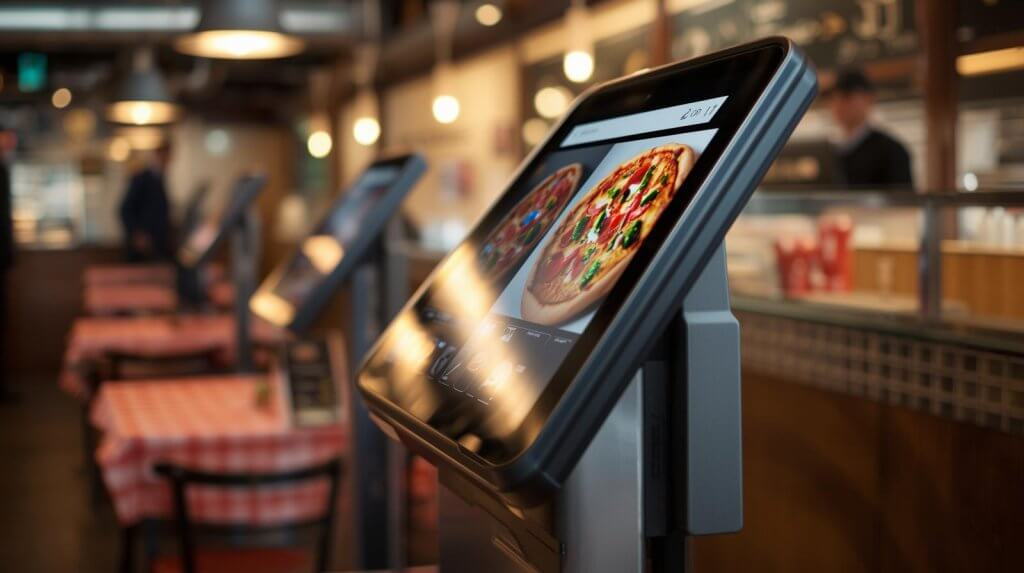
Last updated: January 18, 2026 — This article is for restaurant owners and operators looking to understand how customer expectations around technology now cut across all age groups.
Every consumer falls into a generational category — from Baby Boomers and Generation X to Millennials and Gen Z. Each group has been shaped by different experiences, which influence how they interact with brands, services, and technology.
Traditionally, restaurant technology adoption was discussed largely through a generational lens, with younger diners labeled as “tech-first” and older guests viewed as resistant. That distinction is becoming less meaningful.
Today, convenience-driven technology has become a shared expectation across age groups — especially when it improves service, simplifies ordering, or makes payment easier.
Technology expectations are no longer generational
Recent industry research shows that restaurant technology usage is no longer limited to younger demographics. Consumers across age groups increasingly expect technology that improves speed, accuracy, and convenience.
In the Association’s more recent technology-focused research, customers consistently expressed interest in tools that make it easier to:
- View menus digitally
- Order and pay using their own devices
- Choose takeout or delivery without friction
- Receive clearer order status and confirmations
While younger diners often adopt new tools faster, older generations are now comfortable using the same technologies when they clearly improve the dining experience.
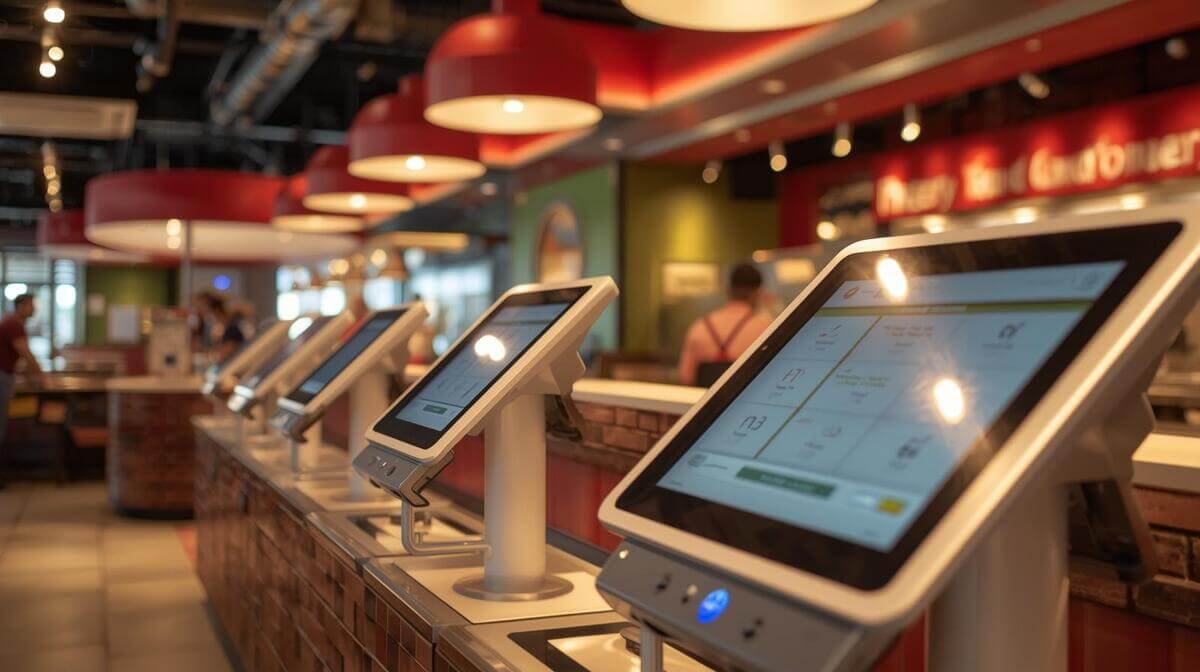

What customers actually want from restaurant technology
Across studies and operator surveys, the most valued restaurant technologies share one thing in common: they reduce effort.
Customers are not asking for technology for its own sake. They respond positively when technology:
- Makes ordering more accurate
- Reduces wait times
- Simplifies payment
- Improves takeout and delivery experiences
These preferences are consistent across full-service, quick-service, and delivery-focused restaurants.
Smartphones are the common denominator
One unifying factor across generations is smartphone usage. Most diners now use their phones to look up restaurant hours, browse menus, read reviews, place orders, and make payments.
For restaurants, this means the mobile experience — whether through a website, online ordering system, or app — plays a critical role in shaping customer perception.
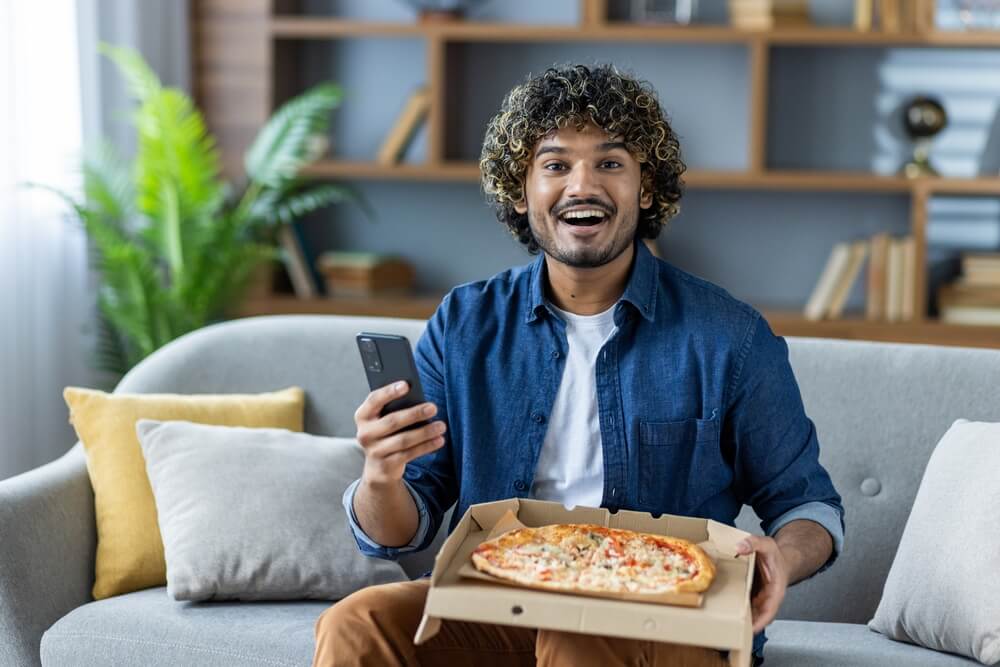

Technology that works well on mobile devices is no longer a differentiator. It is expected.
Why delaying technology investment is risky
As technology becomes more embedded in everyday dining, expectations rise. Restaurants that delay investment risk falling behind not only competitors, but customer expectations.
Importantly, this gap is not driven by age. A poorly designed ordering flow or slow payment process frustrates customers of all generations.
In contrast, restaurants that adopt technology thoughtfully — focusing on usability rather than novelty — are better positioned to meet modern expectations without sacrificing hospitality.
Technology as part of the dining experience
Technology is no longer separate from the dining experience. For many guests, it is as important as menu clarity, service speed, and order accuracy.
Restaurants that succeed are those that treat technology as an extension of service — not a replacement for it.
By focusing on tools that enhance convenience and reduce friction, operators can appeal to customers across generations while maintaining a consistent brand experience.

Frequently Asked Questions
Do older customers actually use restaurant technology?
Yes. While adoption rates may differ, many older customers regularly use digital menus, online ordering, and mobile payments when the experience is simple and intuitive.
Is restaurant technology mainly important for younger diners?
No. Convenience-focused technology is valued across age groups, especially when it improves ordering speed, payment, and takeout or delivery.
What types of restaurant technology matter most to customers?
Tools that simplify ordering, improve accuracy, reduce wait times, and make payment easier consistently rank highest.
Can too much technology hurt the dining experience?
Yes. Technology should support service, not replace hospitality. Poorly implemented tools can frustrate guests of any age.