


Last updated: January 14, 2026 — This article is for restaurant owners and operators who want to understand why large brands are investing more heavily in technology, and what independent restaurants can learn from those moves.
For an industry that has historically been slow to adopt new technology, restaurants are now accelerating their investments in digital tools. Large brands like Chipotle, McDonald’s, and Yum! Brands are putting more resources into technology than ever before — and in some cases, acquiring technology outright. So what’s driving these moves?
Big brands are investing heavily in restaurant technology
Over the past few years, restaurant technology investments have increased across the industry. Major brands are directing capital toward digital ordering platforms, customer data systems, automation, and artificial intelligence. These investments signal a shift in how restaurants view technology — not as a supporting tool, but as a core part of the business.
Rather than relying entirely on third-party providers, many brands are bringing technology capabilities closer to the organization. This allows them to move faster, reduce friction, and tailor systems specifically to their operational needs.
Restaurant technology adoption continues to grow
Recent industry surveys and reports show that technology adoption is accelerating across restaurants of all sizes:
- More than half of restaurants plan to invest in or upgrade their point-of-sale systems as part of their core technology stack.
- A growing number of brands say first-party digital ordering will be one of their primary revenue drivers.
- Most operators report that technology improves efficiency, guest experience, and competitiveness.
- Many restaurants are already using or piloting artificial intelligence for areas like loyalty, personalization, labor forecasting, and operational insights.
These trends reflect a broader industry shift. Technology is no longer optional — it has become central to how restaurants operate, communicate with guests, and grow revenue.


Examples of how brands are applying technology
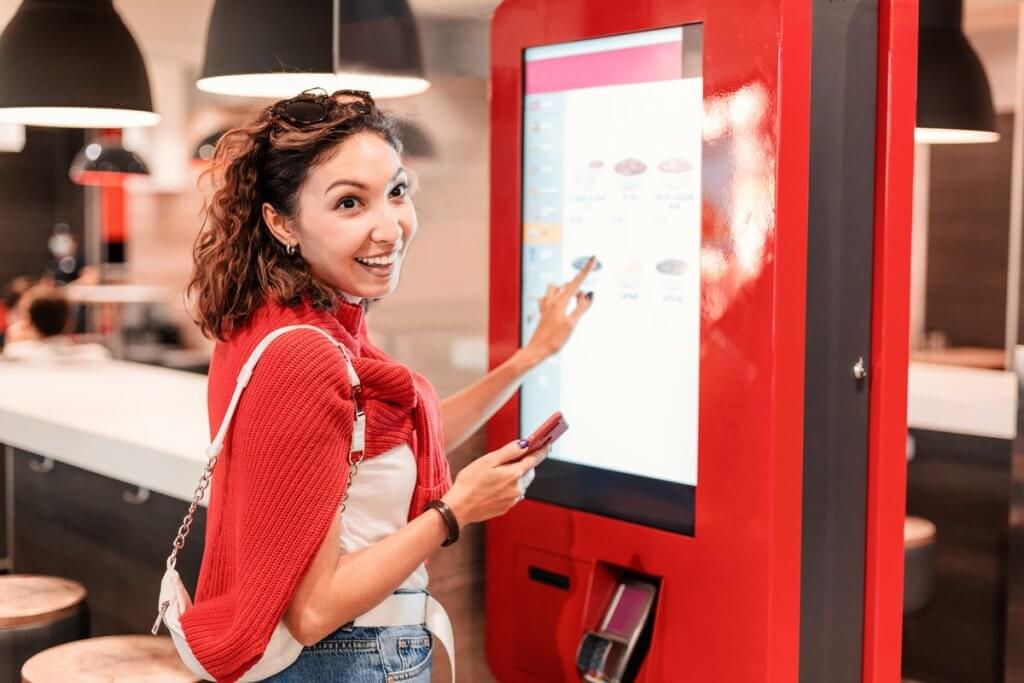
Large restaurant brands are investing across multiple areas of the operation. Digital ordering and mobile experiences are being expanded to reduce friction and speed up service. Automation and AI tools are being tested to improve order accuracy, labor efficiency, and decision-making. Customer data platforms and loyalty systems are being enhanced to support personalization and repeat visits.
These initiatives are not isolated experiments. They are becoming embedded into everyday operations, shaping how guests interact with restaurants from the first click or tap through fulfillment and loyalty engagement.
What independent restaurants can learn from these investments
When large brands introduce new customer experiences, they often reset expectations across the market. The same customers who order from national chains will bring those expectations to independent restaurants.
Independent operators may not have the resources to acquire technology companies, but they often already have access to powerful tools. The key difference is how consistently and intentionally those tools are used.
Across the industry, the areas receiving the most attention include:
- First-party digital ordering that keeps the guest relationship in-house
- Modern POS systems that connect ordering, payments, and data
- Customer communication tools like email, SMS, and loyalty programs
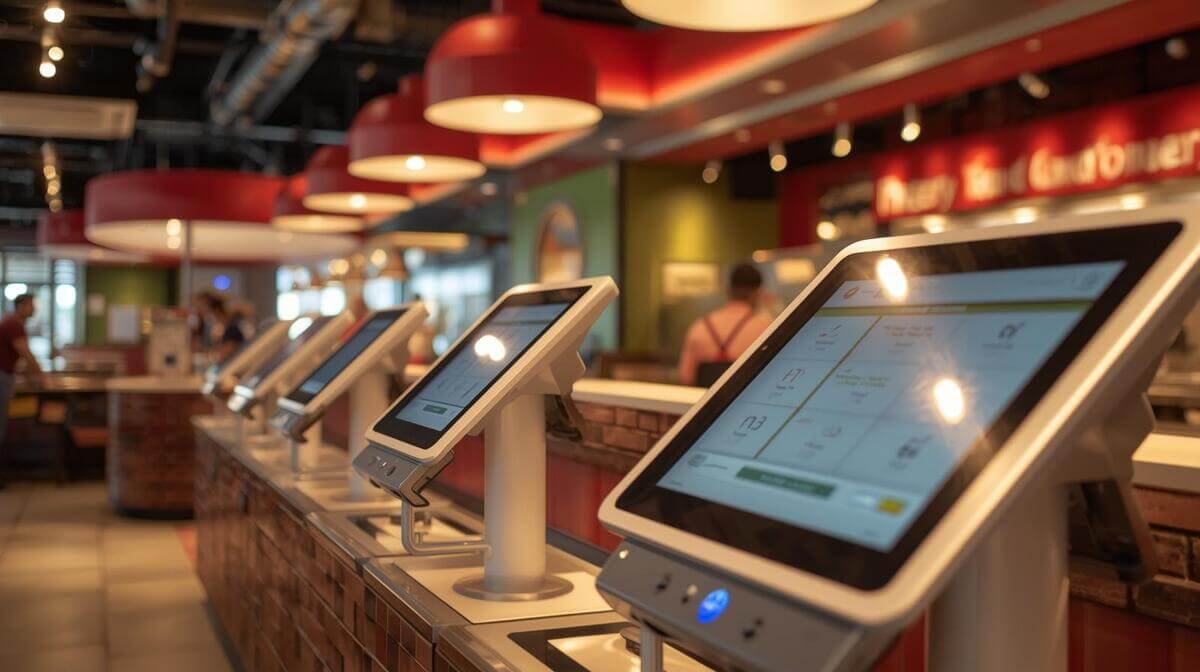
- Mobile and contactless experiences that reduce friction for guests
These capabilities are no longer considered extras. They are quickly becoming baseline expectations for convenience, speed, and personalization.
The takeaway for independent restaurants is not to match the spending of large chains, but to make better use of the technology already available. Optimizing online ordering, keeping promotions active, using loyalty and messaging consistently, and improving the mobile experience can have a meaningful impact on guest satisfaction and repeat business.

Frequently Asked Questions
Why are restaurant brands investing more in technology now?
Restaurants are investing in technology to improve efficiency, meet rising customer expectations, and gain better insight into guest behavior and operations.
Does this put independent restaurants at a disadvantage?
Not necessarily. While large brands have bigger budgets, many independent restaurants already have access to similar tools through modern POS and marketing platforms.
Which technologies are most important for restaurants today?
Digital ordering, integrated POS systems, customer communication tools, loyalty programs, and mobile experiences are among the most critical.
How can a small restaurant start improving its technology stack?
Start by fully using existing systems. Make sure online ordering is optimized, promotions are active, customer communication is consistent, and data is being used to guide decisions.