


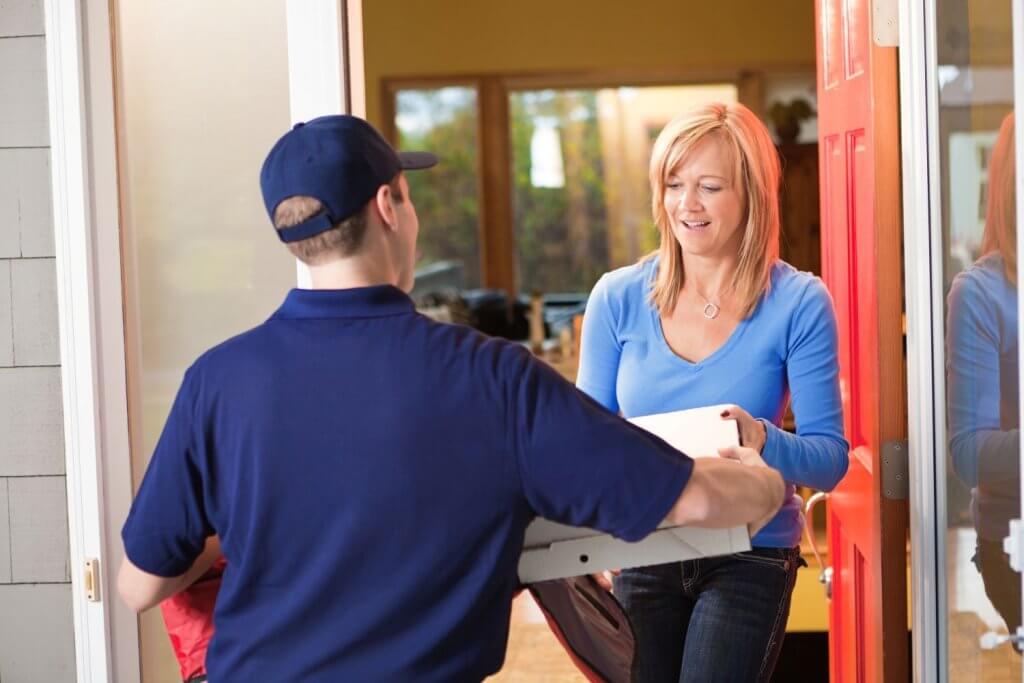
Last updated: January 18, 2026 — This article is for restaurant owners offering delivery and looking to improve customer experience, operational visibility, and delivery performance.
Today, customers expect speed, clarity, and convenience from food delivery. Ordering online has removed the friction of phone calls and manual ordering, but it has also raised expectations around transparency. Once an order is placed through a restaurant’s online ordering system, customers want to know when their food will arrive — without calling the store or relying on vague estimates.
As a result, real-time delivery tracking has become a core component of modern restaurant delivery operations. What was once a premium feature is now increasingly expected, especially when delivery is managed directly through a restaurant’s own POS system rather than entirely through third-party platforms. Solutions like LogiNext help restaurants enable real-time delivery tracking through their own channels, giving both customers and operators better visibility across orders, drivers, and delivery status.
Why customers care about delivery tracking
From the customer’s perspective, tracking provides reassurance. Seeing that an order is prepared, on the road, and approaching removes uncertainty and reduces anxiety around delays.
Clear delivery status updates also shape perception. Customers are more forgiving of longer delivery times when they can see progress and understand what’s happening. Transparency builds trust and improves the overall experience — even when conditions aren’t perfect.

Tracking is no longer just for big chains
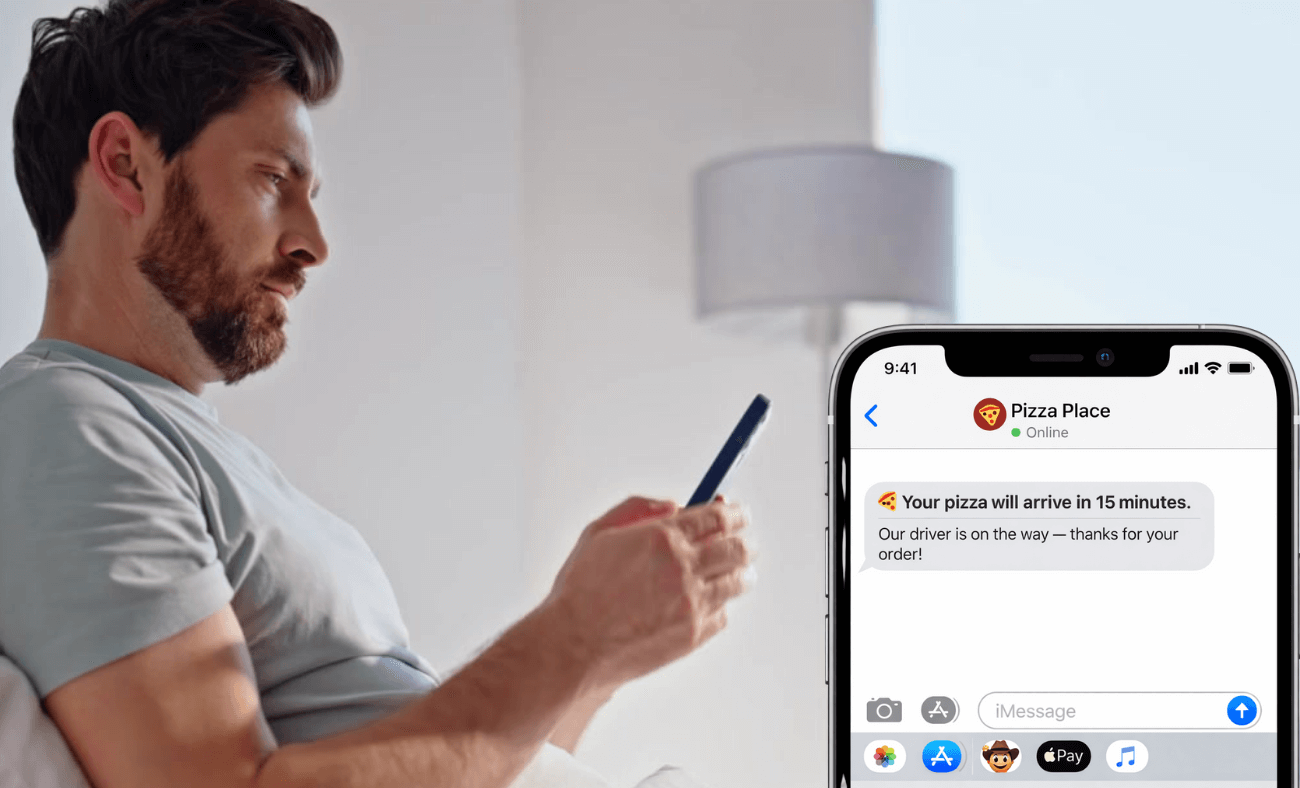
Large brands like Domino’s helped normalize real-time delivery tracking by making order status visible across apps, websites, and even connected devices. Over time, customers came to expect this level of visibility from pizza delivery in general — not just from national chains.
Today, that expectation extends to independent restaurants and regional operators as well. Customers ordering directly from a restaurant’s own website increasingly expect the same clarity they get from third-party delivery platforms — especially when ordering through branded online ordering experiences.
Operational benefits beyond the customer
Delivery tracking is not only about customer-facing transparency. For operators, GPS-based tracking provides valuable operational insight.
Restaurants can monitor delivery times, identify bottlenecks, and understand where delays occur — whether during prep, dispatch, or routing. This data allows managers to adjust staffing, refine delivery zones, and set more accurate expectations using integrated performance reporting tools.
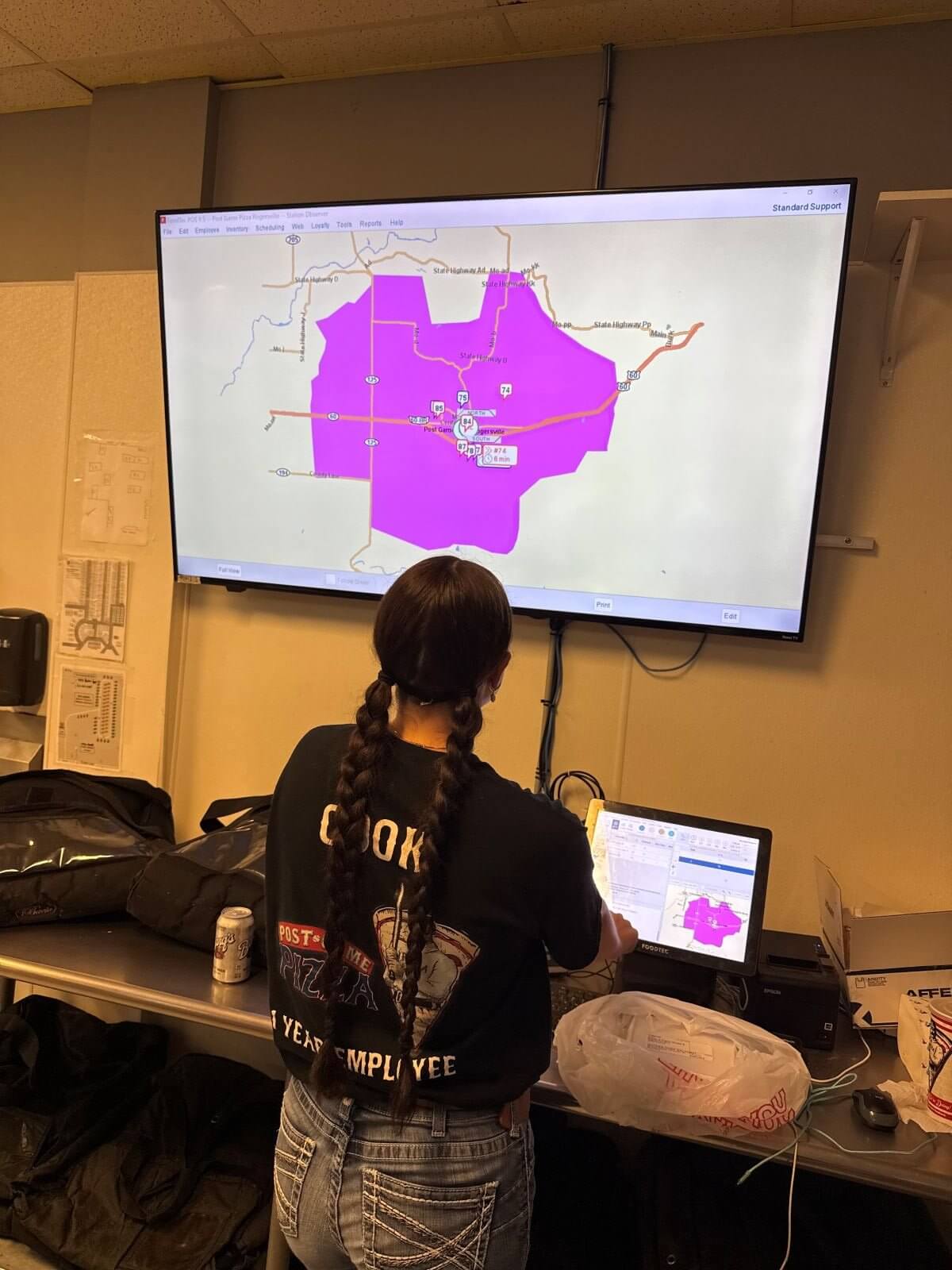

Tracking also helps improve driver accountability and efficiency. Visibility into routes and delivery patterns can reduce unnecessary mileage, improve on-time performance, and lower overall delivery costs when combined with tools like delivery monitoring.
Competing with third-party delivery platforms
Third-party delivery apps have trained customers to expect real-time updates by default. Restaurants offering first-party delivery without tracking often feel less reliable by comparison — even if the food quality is better.
By offering delivery tracking through their own ordering channels and integrating it with their POS system, restaurants can compete more effectively while retaining control over customer relationships and data.
Why delivery visibility improves loyalty
Customers who feel informed are more likely to reorder. Delivery tracking reinforces the sense that the restaurant is organized, professional, and attentive.
Over time, this transparency reduces inbound calls, improves satisfaction scores, and strengthens trust — especially for repeat delivery customers tied into loyalty programs.
Tracking as a standard, not a feature
In today’s delivery landscape, real-time tracking is no longer a novelty or a differentiator. It is quickly becoming a standard expectation.
Restaurants that treat delivery tracking as part of their core delivery experience — supported by connected systems for ordering, delivery monitoring, and reporting — are better positioned to meet customer expectations, optimize operations, and build long-term loyalty in an increasingly competitive market.