


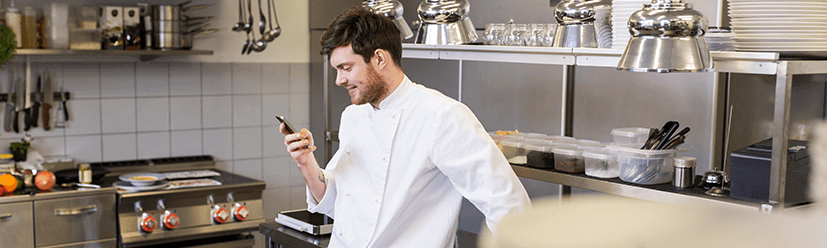
Last updated: January 14, 2026 — This article is designed for restaurant owners, managers, and operators looking to improve employee scheduling, reduce labor stress, and improve staff retention.
Scheduling employees is a challenge for any type of restaurant. While it is often seen as a routine but necessary task, a clearly defined staff schedule makes everyone’s lives easier. When done right, your employees won’t feel overwhelmed, resulting in more satisfied employees and increased retention. Get it wrong and you could end up causing unnecessary stress and a high chance your staff will feel unappreciated — even before their shift starts.
Getting restaurant employee scheduling right – easier said than done
Anyone working in the restaurant industry is familiar with the classic cork board on the wall — the steadfast source of information when it comes to the staff schedule. Often, a schedule is posted one to two weeks before it’s relevant, but as we all know, a lot can happen in that timeframe. An employee may forget to ask for a day off, have a doctor’s appointment, or deal with unexpected situations. As a result, it’s common for staff to come in on their day off just to check the board or leave a handwritten note asking to swap shifts.
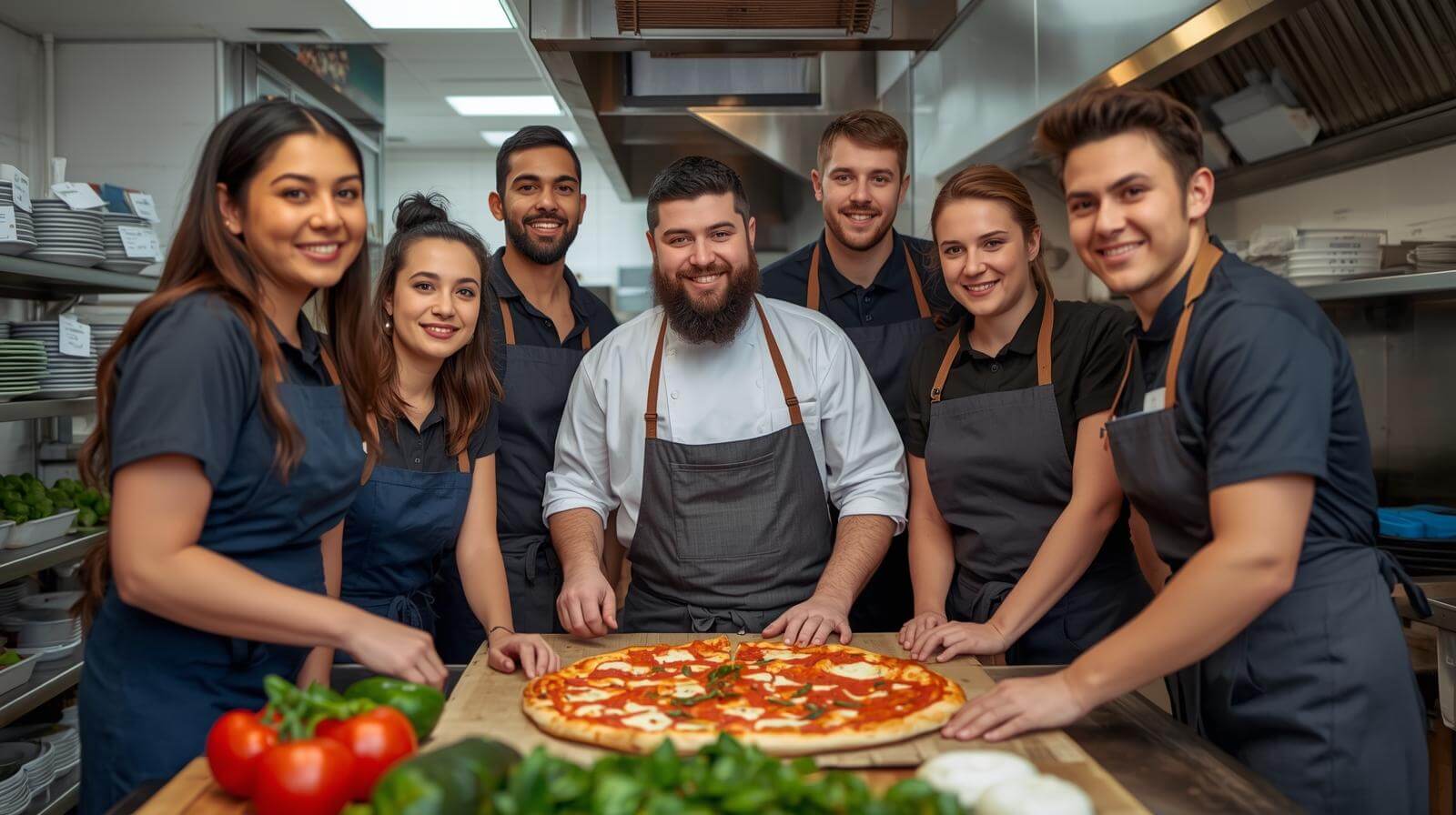

Similarly, given the unpredictable nature of the industry, many restaurants schedule employees ahead of time and then change shifts at the eleventh hour. Whether the changes come from employees or management, last-minute swaps lead to confusion, with calls, texts, and emails flying back and forth.
Coordinating schedules is exhausting. Not only do you have to balance business needs with employee availability and time-off requests, but you also have to anticipate emergencies, shift changes, and sick days. Scheduling mismanagement puts unnecessary stress on employees and can sometimes impact customer service and hospitality.
Overstaffing — although perhaps not a current problem for many restaurants — also isn’t ideal. It increases labor costs and can leave employees feeling unfulfilled. Either way, staffing issues can have critical repercussions on your bottom line.
But there is an easier way.
Streamline staff schedules and optimize labor with technology
While it’s possible to manage schedules with pen and paper or spreadsheets, technology eliminates many of these frustrations. Restaurant scheduling software allows everything to be entered electronically and instantly available for review.
With restaurant scheduling software, managers can accurately manage the entire work schedule, ensuring the restaurant meets customer demand while respecting employee availability. The system helps reduce manual entry errors and highlights scheduling conflicts or time-off requests — especially useful for restaurants operating multiple locations. Combined with a mobile app for employees, scheduling software provides transparency across the team.
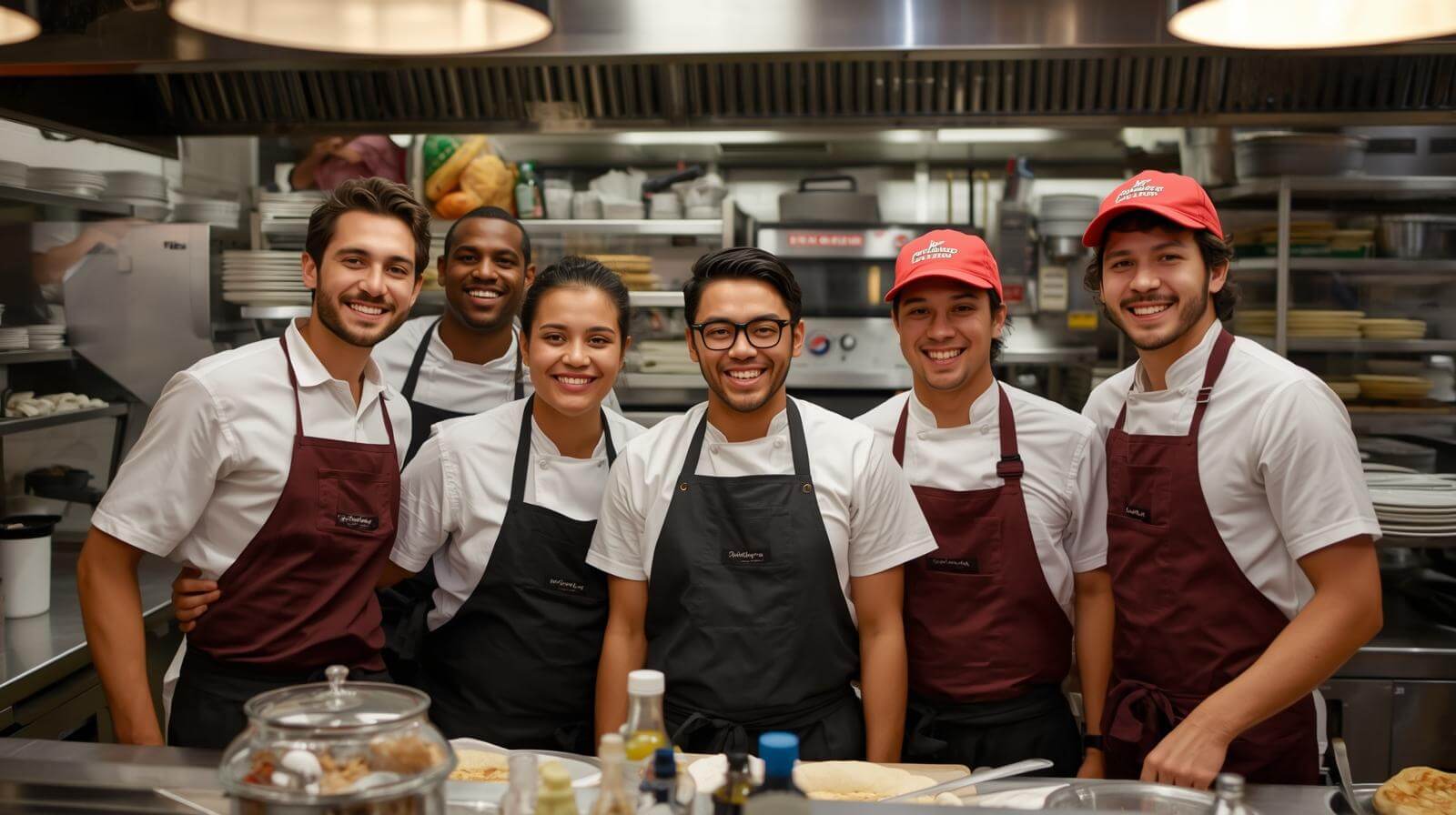
Through a mobile app, employees can view their up-to-date schedule anytime and anywhere. They can submit shift swaps and time-off requests that are instantly visible to other team members. Instead of relying on handwritten notes that may be missed, digital requests dramatically increase the chances of shifts being filled.
Shift swaps can be approved remotely and quickly by management, reducing miscommunication and delays. The app empowers employees to take control of their availability, leading to better coverage and a less stressed workforce.
Ultimately, the right restaurant scheduling software can optimize operations, save time and money, and improve both customer and employee satisfaction.
If you think it’s time to retire your cork board or need help with employee scheduling, contact us and we’ll walk you through how FoodTec’s employee management tools can support your restaurant.
Frequently Asked Questions
How far in advance should restaurants schedule employees?
Most restaurants schedule one to two weeks in advance, but frequent last-minute changes can create confusion. Using scheduling software helps teams adjust without disrupting communication.
What causes the most scheduling problems in restaurants?
Common issues include last-minute availability changes, handwritten shift swap requests, and poor visibility into employee time-off or availability.
Can better scheduling really improve employee retention?
Yes. Clear, transparent schedules reduce stress, help employees plan their personal lives, and make staff feel respected — all of which support higher retention.
What should restaurants look for in employee scheduling software?
Key features include mobile access, shift swap approvals, time-off requests, visibility across locations, and integration with employee management tools.