



Last updated: January 18, 2026 — This article is for pizzeria owners offering delivery and looking to improve speed, accuracy, and customer satisfaction.
Pizza delivery is synonymous with the pizza business. For most pizzerias, delivery is not an optional channel — it is a core part of revenue and brand perception. Customers ordering delivery expect their food to arrive quickly, accurately, and within the time promised.
When delivery is late or incorrect, it doesn’t just ruin one order. It makes customers hesitate before ordering again. That’s why delivery operations require constant attention and ongoing measurement.
As the saying goes, what gets measured gets managed. In today’s competitive delivery environment, tracking the right performance metrics helps pizzerias identify problems early, correct inefficiencies, and maintain consistent service.
A POS system designed for pizza and delivery makes this much easier. With the right tools in place, operators can monitor delivery performance in real time and make adjustments that keep customers coming back.
Promise time
Promise time is the delivery time you quote to the customer. Accuracy matters more than speed alone.
Customers are far more forgiving of longer delivery times when expectations are set correctly. Even a small gap between quoted and actual delivery time can create frustration. A delay of just a few minutes can negatively impact perception — even if the food arrives hot.

Strong delivery operations focus on realistic promise times and adjust them dynamically based on order volume, staffing, and conditions. When delays occur, proactive communication helps preserve trust.
Out-the-door (OTD) time
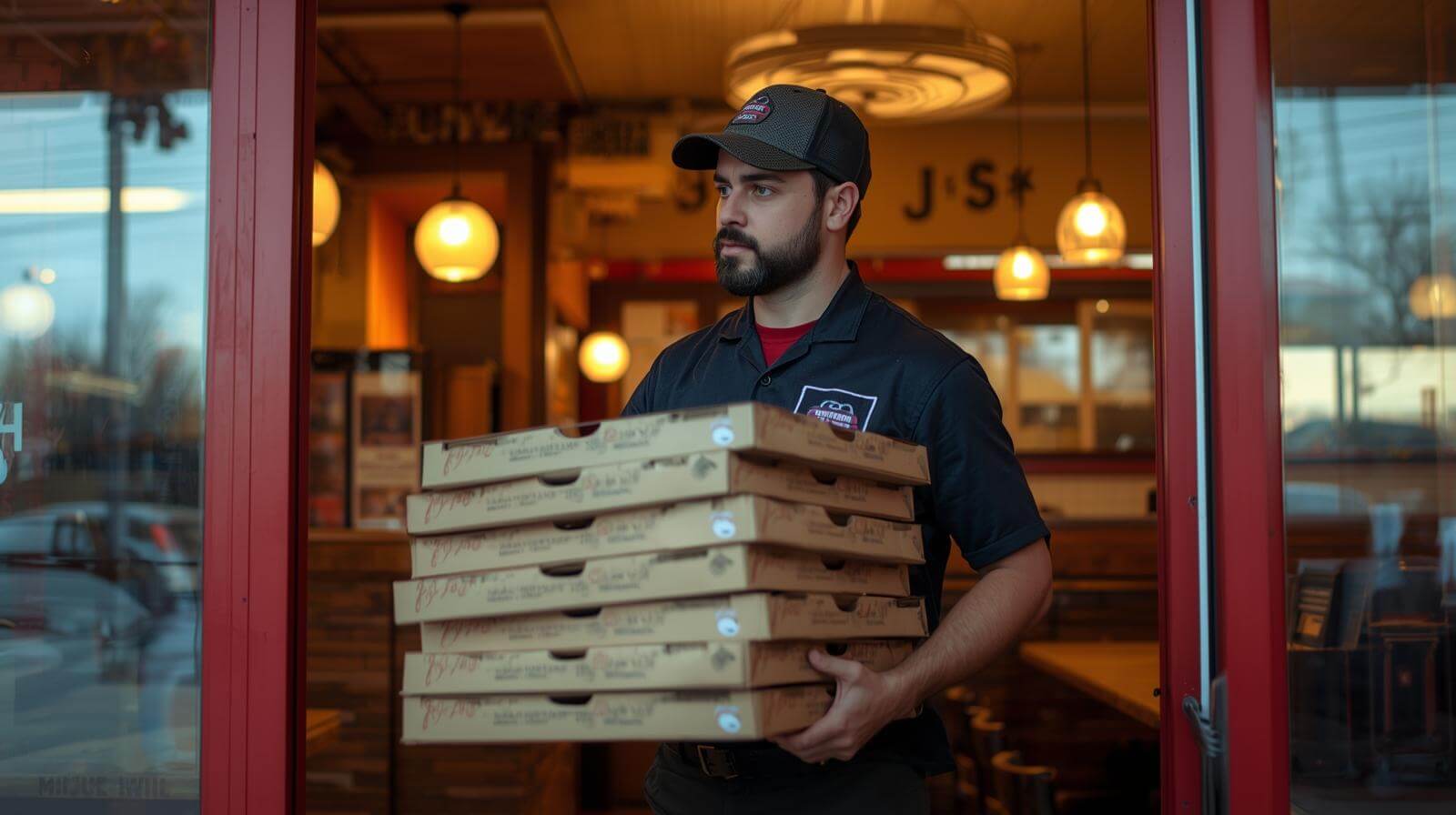
Out-the-door time measures how long it takes from when an order is entered into the POS to when it leaves the store with a driver.
If OTD time is consistently high, it often points to kitchen workflow issues, staffing imbalances, or unclear handoff responsibilities. In pizza delivery, minutes matter — especially during peak hours.
Clear ownership is key. Kitchen staff should know who is responsible for prepping and bagging delivery orders, and drivers should be ready to dispatch promptly once orders are complete.
On-road time
On-road time tracks how long a delivery takes once it leaves the store.
This metric helps operators understand routing efficiency, driver workload, and whether drivers are being assigned too many orders at once. If on-road time consistently exceeds targets, it may be necessary to limit the number of deliveries per run or adjust delivery zones.
Modern POS and delivery management tools allow restaurants to control driver assignments and balance speed with efficiency.
Customer feedback and reviews
Customer reviews remain one of the most visible indicators of delivery performance. Speed, accuracy, and order condition frequently show up in online feedback.
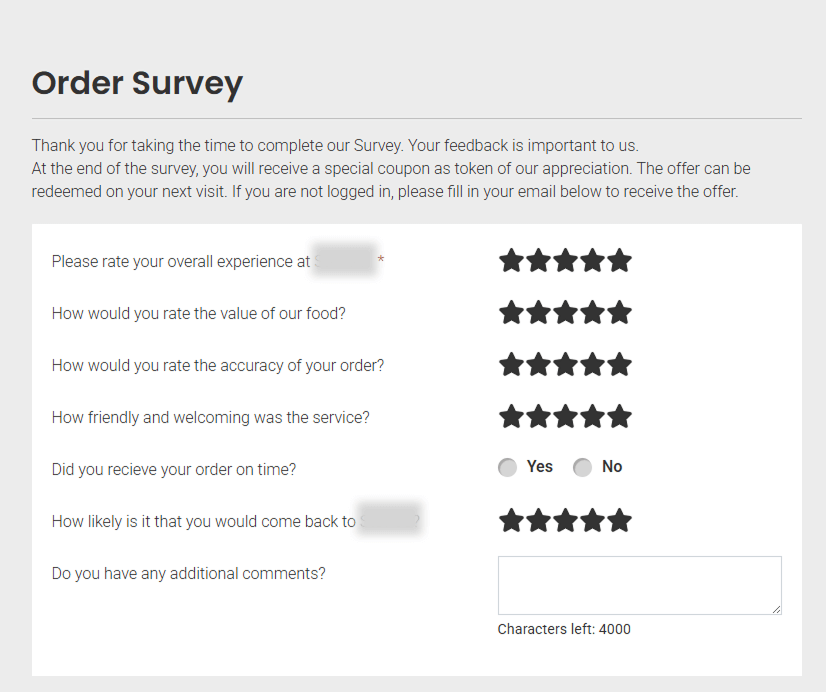
Recent consumer research continues to show that the majority of customers read online reviews before ordering and that star ratings influence purchasing decisions. Even small improvements in average ratings can meaningfully impact order volume.
Reviews are not just a marketing signal — they are operational feedback. Patterns in delivery complaints often highlight issues with timing, packaging, or communication that can be addressed internally.
Using delivery metrics to improve performance
Tracking delivery metrics is not about chasing perfection. It’s about spotting trends, identifying bottlenecks, and making incremental improvements.
When promise time, OTD time, on-road time, and customer feedback are reviewed together, they provide a clear picture of where delivery operations are breaking down — and where they are performing well.
Consistently reviewing these metrics allows pizzerias to refine staffing, adjust delivery standards, and maintain a level of service that meets modern customer expectations. Over time, small improvements compound into faster deliveries, fewer complaints, and stronger repeat business.
Frequently Asked Questions
What is the most important delivery metric for pizzerias?
Promise time accuracy is often the most critical metric. Customers care more about receiving their order when expected than about absolute speed.
How can delivery metrics reduce customer complaints?
Tracking delivery performance helps operators spot delays and breakdowns early, before they turn into negative reviews or lost customers.
Should independent pizzerias track the same delivery metrics as chains?
Yes. While order volume may differ, the same metrics apply and are just as valuable for independent operators.
How often should delivery performance be reviewed?
Key delivery metrics should be reviewed daily or weekly, with regular trend analysis to guide staffing and operational decisions.