



Last updated: January 19, 2026 — This article is for restaurant owners evaluating whether a mobile app, mobile website, or both make sense for their business.
When planning a mobile presence for your restaurant, one of the first questions that comes up is whether you should build a mobile app, a mobile website, or both. Before deciding what’s right for your operation, it’s important to understand how the two differ — especially since modern mobile websites and apps can look very similar at first glance.
What is a mobile app?
Native mobile apps are built for specific platforms, such as iOS or Android, and are downloaded through app stores. Once installed, they live directly on a customer’s device.
Because apps run on the device itself, they can take advantage of native phone features like GPS, cameras, push notifications, saved payment methods, and biometric login. This allows developers to create faster, more personalized, and more seamless experiences.
Popular examples include Instagram, Google Maps, and Spotify — all apps customers return to frequently and keep on their home screens.
What is a mobile website?
A mobile website (sometimes called a web app) is accessed through a browser and designed to adapt to different screen sizes. It does not need to be downloaded or installed.
Modern mobile websites are responsive, fast, and often feel very similar to apps. This overlap is where confusion usually arises. While they cannot access every native phone feature, today’s mobile websites support ordering, payments, account creation, and loyalty interactions with minimal friction.
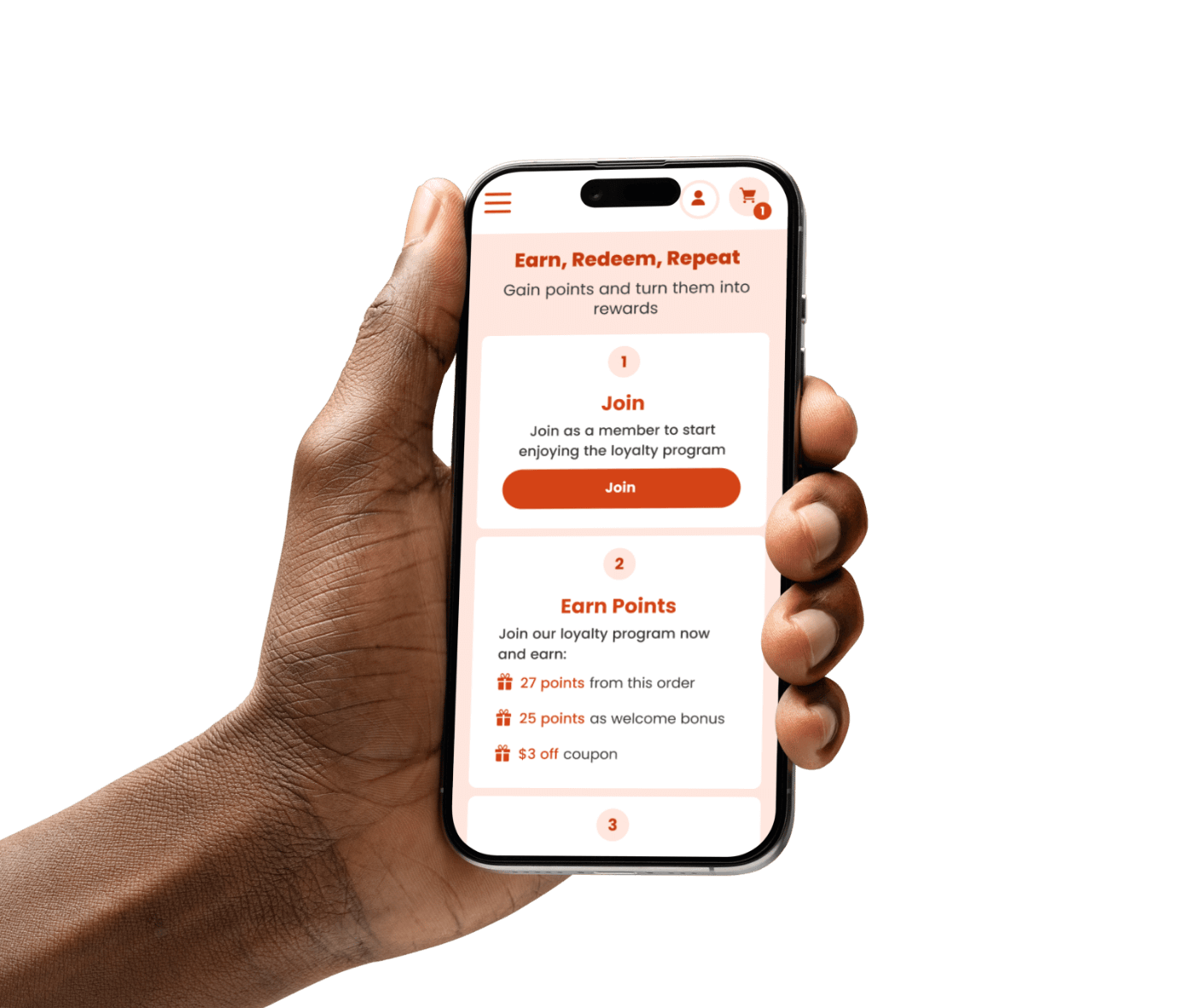
How customers actually use mobile today
Consumer behavior has remained consistent over the last several years: most mobile time is still spent inside apps. Industry research continues to show that roughly 85–90% of mobile usage happens in apps, with the remainder spent on mobile web.
That said, discovery often happens through the browser. Customers commonly find restaurants through search, maps, social links, or shared URLs — all of which land on mobile websites first.
In practice, mobile websites are often the entry point, while apps serve the most engaged, repeat customers.
Why restaurants invest in mobile apps
- Speed and performance: Apps load faster and feel smoother because key assets are stored on the device.
- Push notifications: Restaurants can reach customers directly with offers, reminders, and loyalty messages.
- Saved preferences: Apps remember favorite locations, orders, and payment details, reducing friction.
- Higher repeat usage: Customers who install an app tend to order more frequently.
For restaurants with strong repeat business, apps are often used to deepen loyalty rather than drive initial discovery.
Why mobile websites still matter
- No download required: Anyone can access the site instantly.
- Lower cost: Mobile websites are generally faster and cheaper to maintain.
- Search visibility: Websites play a critical role in local search and discovery.
- Broad accessibility: Ideal for first-time guests or occasional customers.
For many restaurants, the mobile website remains the most important touchpoint for new customers.
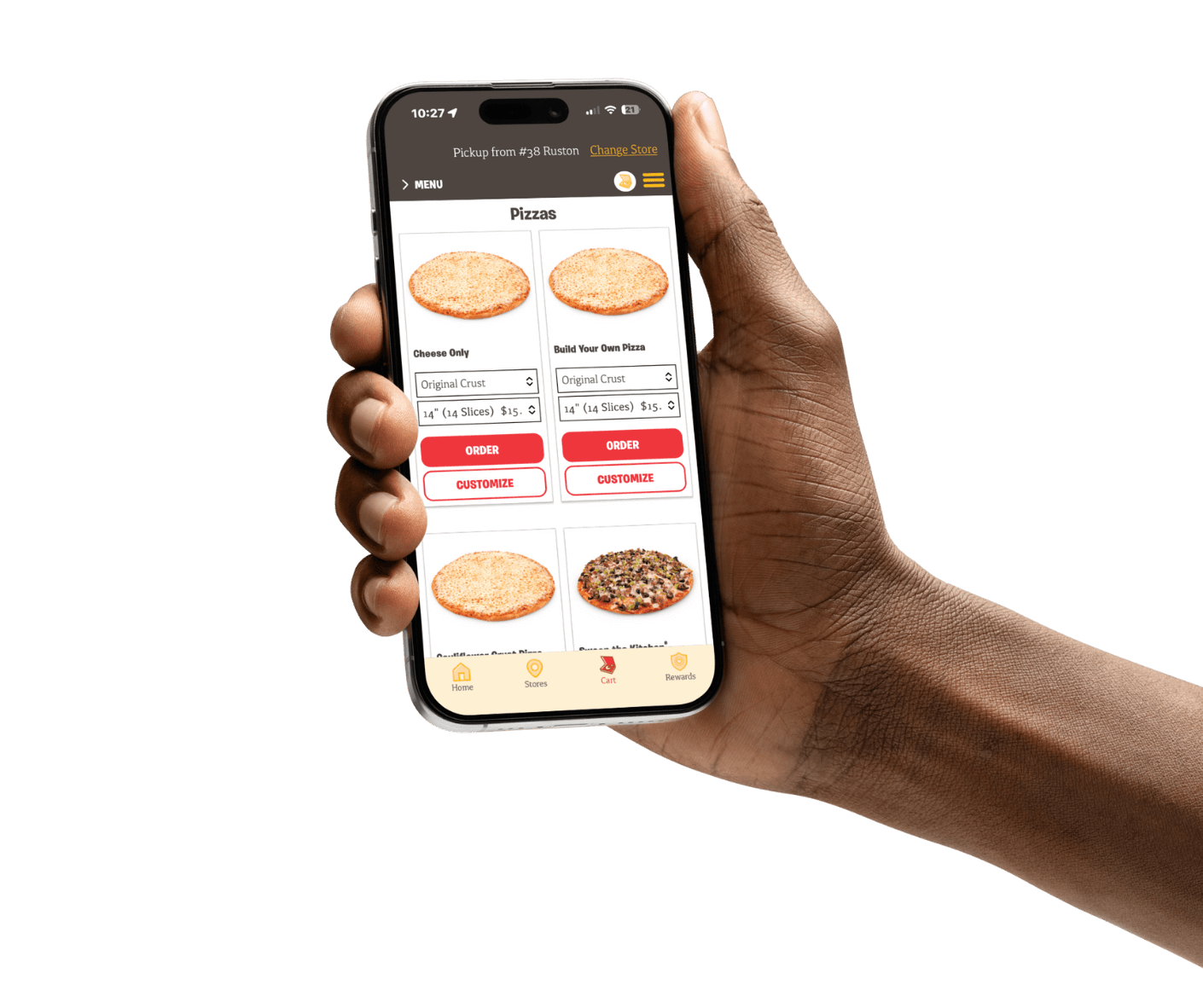
What most restaurants do today
Rather than choosing one or the other, many restaurants use both:
- A mobile website for discovery, menus, and first-time orders
- A mobile app for loyalty members, frequent customers, and repeat ordering
Some apps are also built as hybrids, reusing mobile website content inside an app wrapper. This allows restaurants to deliver app-level convenience while maintaining a single content system behind the scenes.
So which should you choose?
The right choice depends on your business model, budget, and customer behavior.
- If most of your customers are repeat guests, an app can strengthen loyalty and frequency.
- If you rely heavily on new customer discovery, a strong mobile website is essential.
- If you operate multiple locations or a loyalty program, combining both often delivers the best results.
Regardless of approach, optimizing the mobile experience is no longer optional. Whether through an app, a website, or both, restaurants that remove friction from mobile ordering and engagement are better positioned to capture today’s on-the-go customers.