


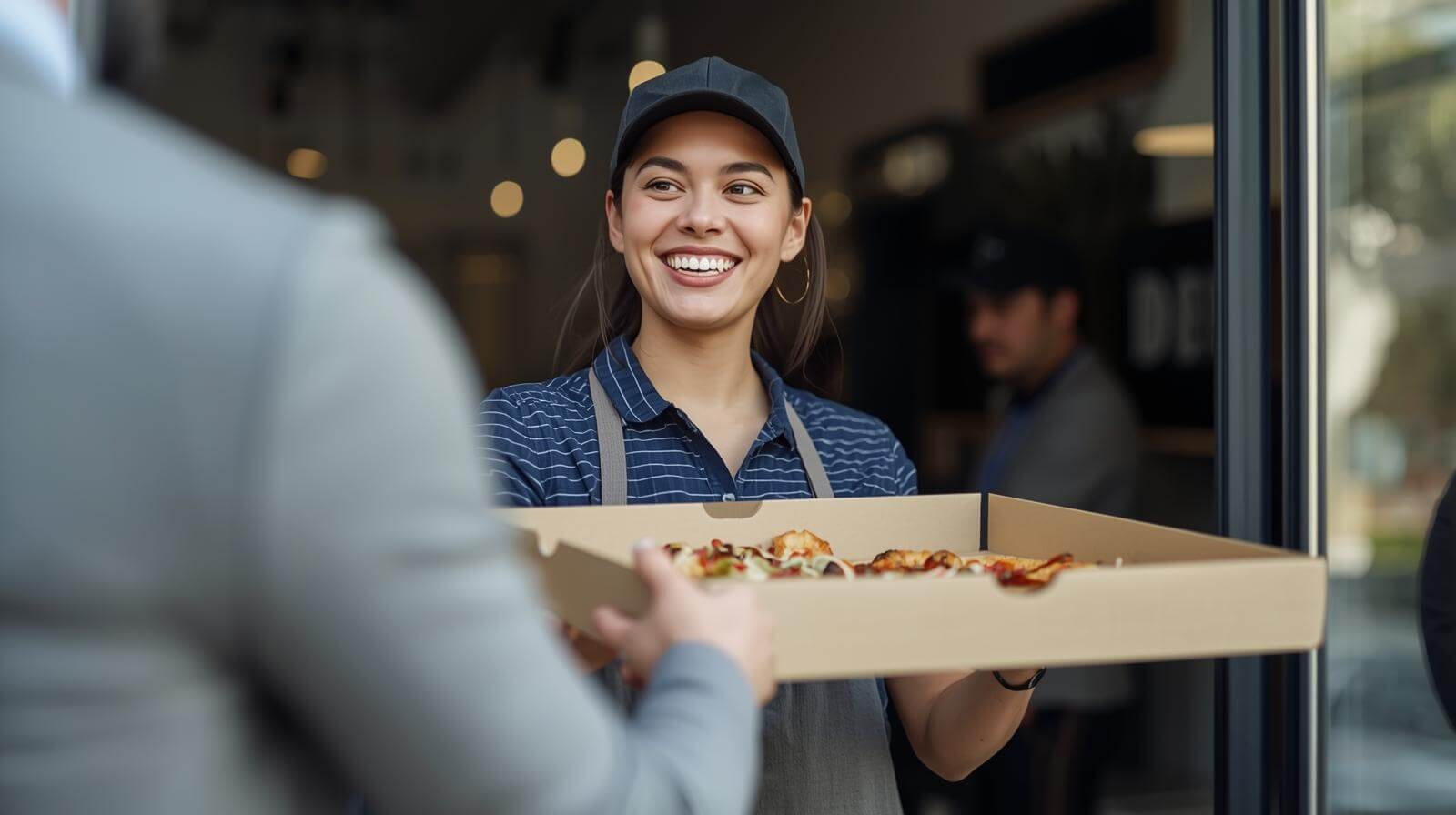
Last updated: January 14, 2026 — This article is for pizzeria owners and operators who want to understand how delivery and takeout changed the business, and what still matters today.
Over the past several years, delivery and takeout stopped being “extra.” For many restaurants (especially pizzerias), they are now a major part of sales. What used to be a convenience is now one of the main ways customers buy from you.
The rise of off-premise dining
More customers want food that fits their schedule. They expect online ordering, quick pickup, curbside options, and delivery.
As a result, digital ordering and delivery operations moved from “nice to have” to “must have.” For many operators, a big chunk of revenue now comes from orders placed outside the dining room.
This shift changed how restaurants build menus, run kitchens, schedule staff, and keep customers updated.
Delivery as a business model, not a supplement
Delivery and takeout used to be side channels. Now they work like full business channels with their own costs, steps, and problems to solve.
Third-party delivery apps helped restaurants reach more customers fast. They brought demand, delivery drivers, and visibility in the app.
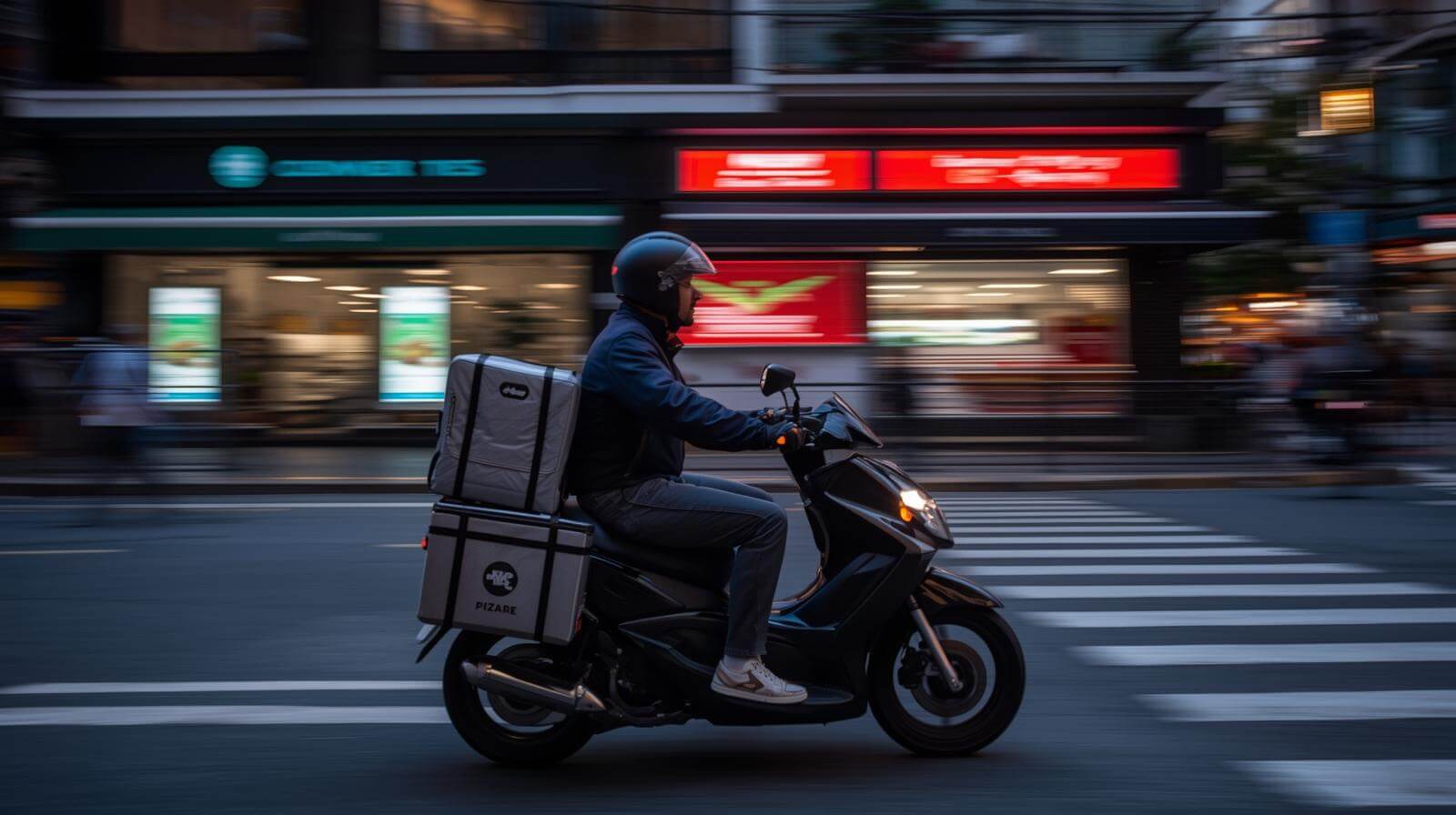
But delivery also added new costs that many restaurants didn’t deal with at this scale before.
The commission challenge
Third-party delivery fees are still one of the biggest issues. Commissions often run around 20% to 35% per order, which can take a big bite out of profit — especially when margins are already tight.
Delivery can raise total sales, but it doesn’t always raise profit. Higher order volume can get eaten up by commissions, extra fees, and less control over pricing and promos.
This has pushed many owners to rethink when delivery makes sense and how to price and manage it.
Commission caps and platform responses
Because of operator pushback, some cities in the U.S. and Canada tried delivery fee caps. The goal was to limit what delivery platforms could charge and protect restaurant margins.
In some markets, delivery companies adjusted pricing, promoted pickup options, or offered tools for restaurants to take orders through their own websites with lower processing fees.
These changes helped in certain places, but they also showed a bigger point: relying heavily on third-party platforms comes with trade-offs.
The long-term trade-offs of third-party delivery
Commissions aren’t the only issue. With third-party delivery, restaurants often lose direct access to customer data and have fewer ways to build long-term loyalty.
Inside a marketplace app, it’s harder to stand out. Customers may compare you next to dozens of other options, and the platform controls much of the relationship.
Over time, platforms can gain more control, and restaurants can start to feel interchangeable. The key challenge is balancing reach and convenience with owning the customer relationship.
What restaurants should focus on now
Delivery and takeout aren’t optional anymore — but neither is control. The restaurants that do best usually use third-party apps selectively while building up their own direct ordering.
That means making your online ordering easy, pushing direct pickup orders, and staying connected with customers through email, SMS, and loyalty programs.
The goal isn’t to remove third-party delivery. It’s to make sure it supports your business — instead of controlling it.
Frequently Asked Questions
Is delivery still an important revenue channel for restaurants?
Yes. Delivery and takeout are still a major source of sales for many restaurants and pizzerias.
Are third-party delivery commissions still an issue?
Yes. The fees can heavily impact profit, so it’s important to manage delivery on purpose (not just accept every order blindly).
Should restaurants rely entirely on third-party delivery platforms?
Most operators do better using third-party delivery selectively while growing direct ordering and repeat business.
What’s the biggest long-term lesson from the shift to off-premise dining?
Restaurants that control their online ordering and customer relationships are usually in a stronger position long-term.