


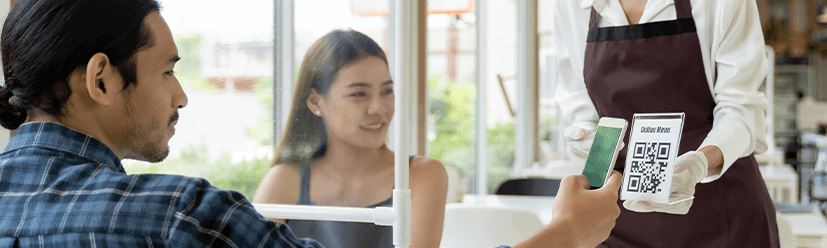
Last updated: January 14, 2026 — This article is for restaurant owners and operators looking to understand how QR codes evolved from a failed marketing trend into a widely used restaurant tool.
Anyone remember QR codes? Those boxy, square designs filled with dots that appeared around the early 2010s when smartphones were first gaining traction. At the time, they seemed to be everywhere — and then they quietly faded away.
The story of the QR code
QR codes, short for “Quick Response” codes, were invented in 1994 by Masahiro Hara for Japan’s automotive industry. Their original purpose was to track vehicles and components during manufacturing.
Before QR codes, traditional linear barcodes were the standard. While effective, linear barcodes can store only a limited amount of information. QR codes, by contrast, store data both horizontally and vertically, allowing them to hold thousands of characters and be scanned quickly.
This capability made QR codes valuable well beyond manufacturing. Industries such as logistics, food production, and pharmaceuticals adopted them to access digital records, track inventory, and speed up workflows.
Why QR codes failed the first time around
Marketers embraced QR codes later, as smartphones became more common. QR codes were positioned as a way to connect offline materials to online experiences at scale. Advertisements, packaging, posters, and menus all began featuring QR codes.
The problem was usability. Scanning often required downloading a separate app, navigating unfamiliar interfaces, and landing on websites that were not optimized for mobile devices. In many cases, the QR code existed without a clear purpose.
As a result, QR codes became associated with friction rather than convenience. Adoption stalled, and by the mid-2010s they were widely regarded as a short-lived marketing fad.
What changed
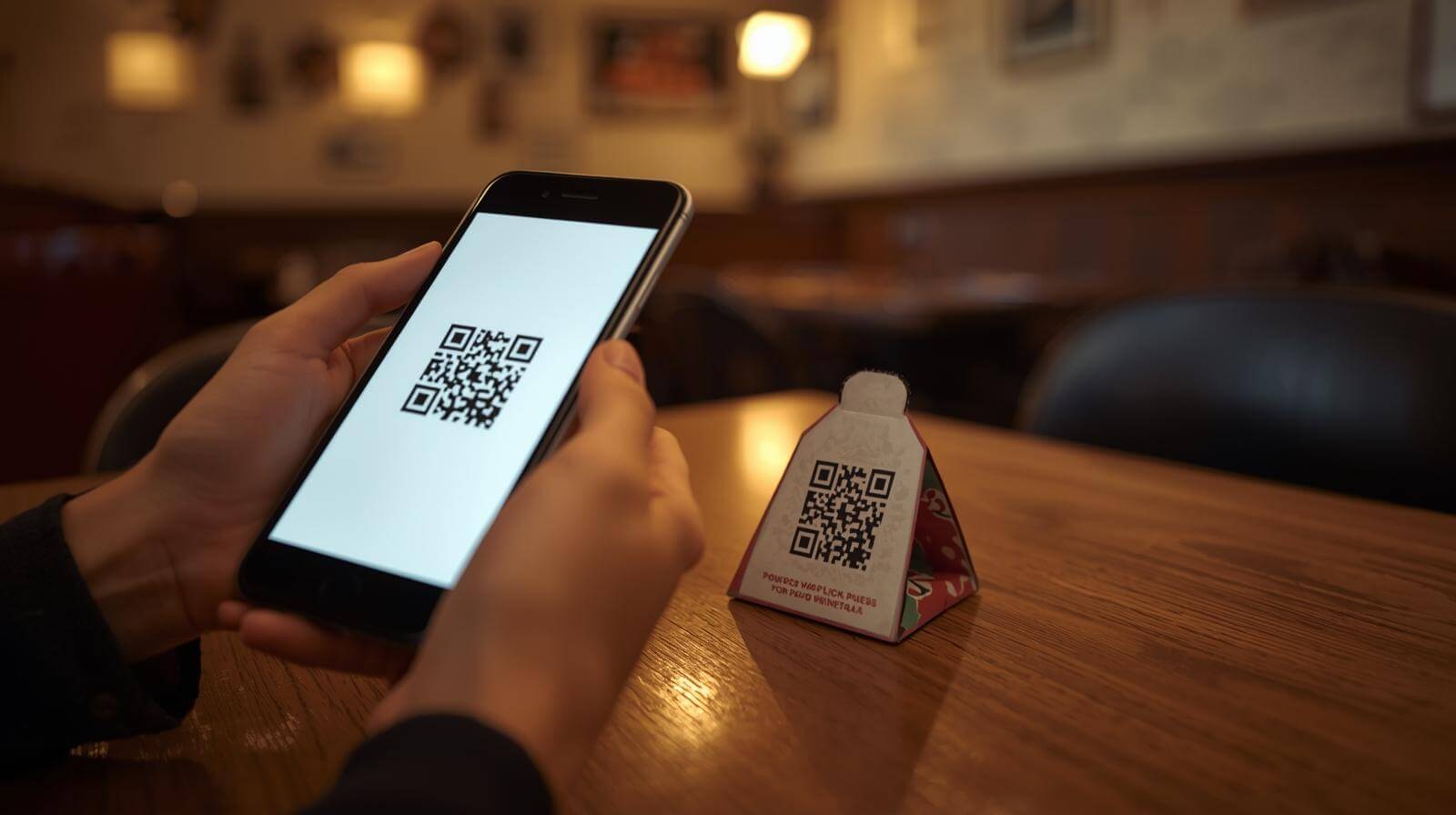
The technology did not disappear — it matured. Modern smartphones now scan QR codes directly through the camera app, removing the need for separate scanners or downloads.
At the same time, mobile websites, menu generators, and online ordering experiences improved dramatically. What once led to clunky pages now leads to fast, mobile-friendly interfaces designed specifically for phones.
Just as importantly, customer behavior changed. Guests became more comfortable using their phones as part of everyday interactions, from payments to ordering to account management.
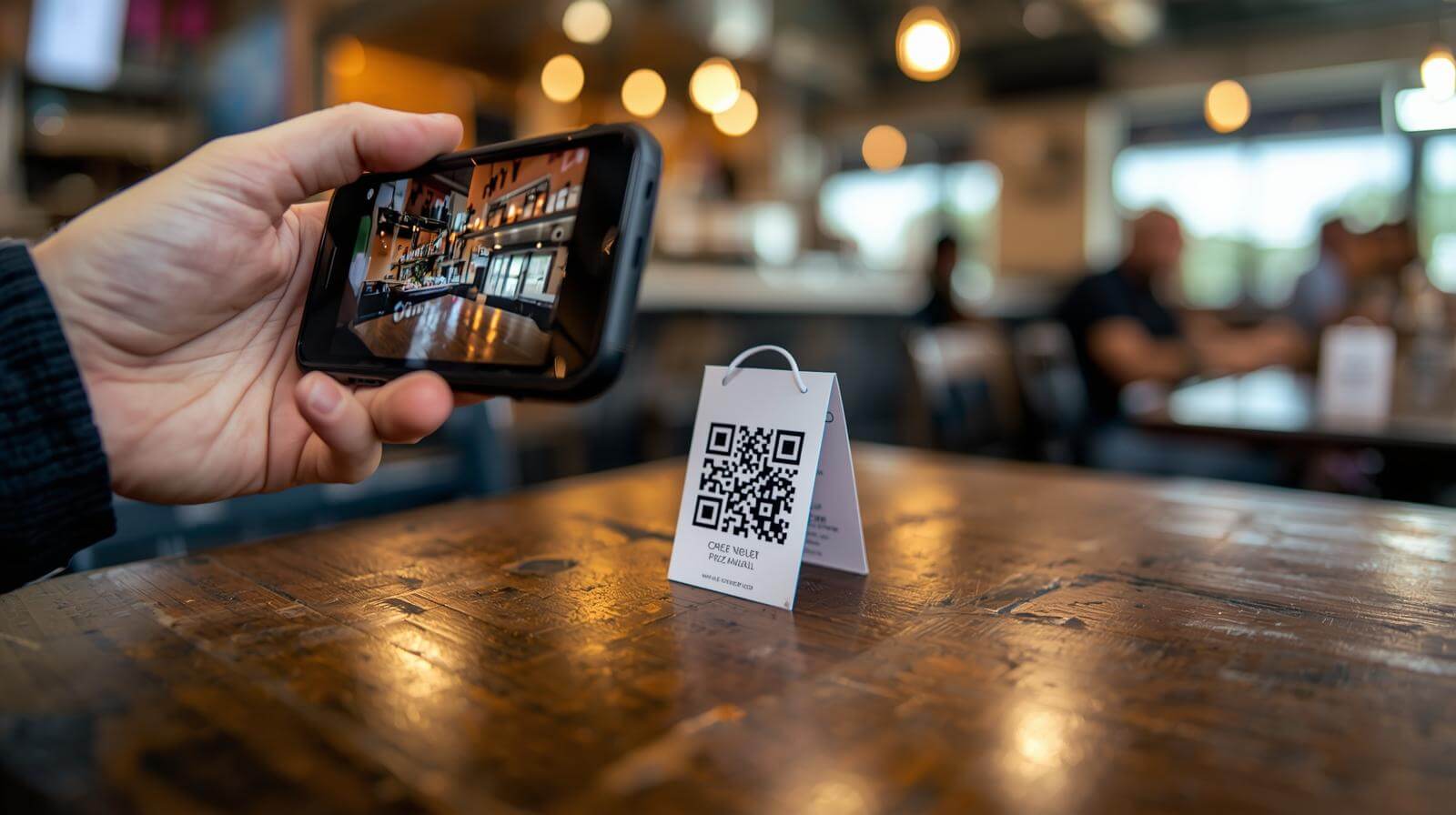
How restaurants use QR codes today
Today, QR codes are no longer treated as marketing gimmicks. In restaurants, they function as lightweight interfaces that connect guests directly to digital experiences.
A digital restaurant menu QR code, for example, allows guests to open an up-to-date menu on their phones without downloading an app.
Common uses include:
- Accessing digital menus that update in real time
- Ordering food and drinks directly from a phone
- Paying checks without handing over cards
- Joining loyalty programs or viewing promotions
- Reducing friction during busy service periods
For operators, QR codes reduce printing costs, simplify updates, and create a more flexible front-of-house workflow. For guests, they offer speed, control, and familiarity.
Why QR codes are now sticking around
Unlike their first wave, QR codes now solve real problems. They remove steps from the dining experience rather than adding them.
They are inexpensive to implement, easy to update, and intuitive for most guests. When paired with well-designed digital menus and ordering systems, QR codes fade into the background and simply work.
This shift explains why QR codes are no longer framed as a trend. They have become a standard interface layer between physical restaurants and digital systems.
What restaurants should consider before using QR codes
QR codes are only as effective as the experience behind them. Poorly designed menus, slow-loading pages, or confusing flows can quickly frustrate guests.
Restaurants should ensure that QR-linked experiences are mobile-first, fast, and easy to navigate. QR codes should support service — not replace hospitality.
Frequently Asked Questions
Are QR codes still relevant in restaurants?
Yes. QR codes are now widely used for menus, ordering, and payments, and are generally expected by many guests.
Do QR codes replace servers?
No. They typically complement staff by reducing friction, especially during ordering and payment, rather than eliminating service.
Do customers prefer QR codes or physical menus?
Preferences vary by guest and location. Many restaurants offer both options to accommodate different comfort levels.
What makes QR codes work today compared to before?
Improved smartphone scanning, better mobile experiences, and clearer use cases have made QR codes fast and intuitive.