


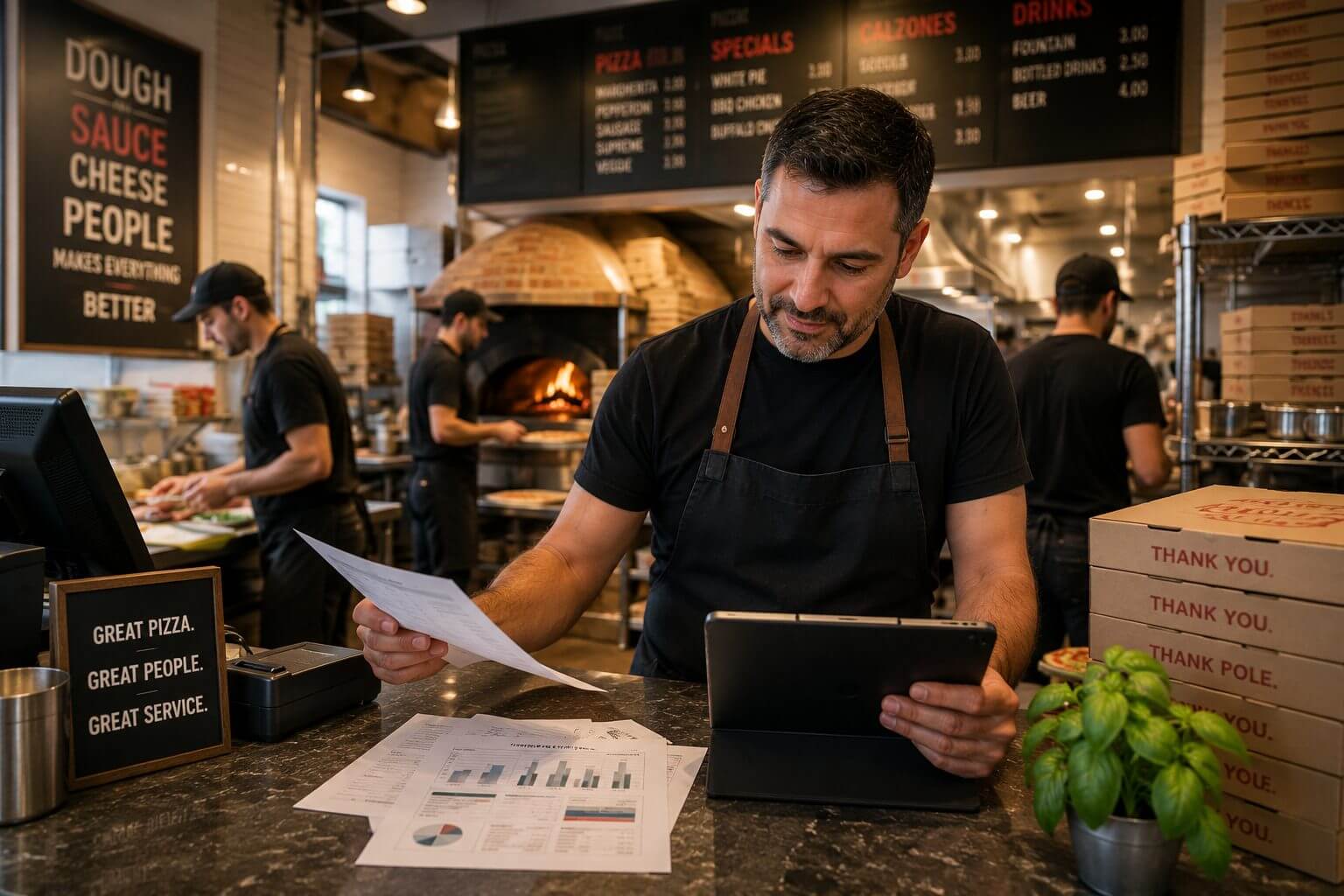
This article is for: Pizzeria owners, operators, and GMs who want to identify hidden costs, reduce unnecessary expenses, improve operational efficiency, and protect their profit margins.
Running a successful pizzeria isn’t just about increasing sales. Sometimes, improving profitability starts with finding the money that’s already slipping through the cracks.
Small problems like over-portioning cheese, scheduling too much labor, inefficient deliveries, or unnecessary discounts might not seem expensive on their own. But when they happen hundreds of times throughout the year, they can have a significant impact on the bottom line.
Here are 10 common ways pizzerias may be losing money without realizing it — and what operators can do about them.
1. Food Waste and Over-Portioning
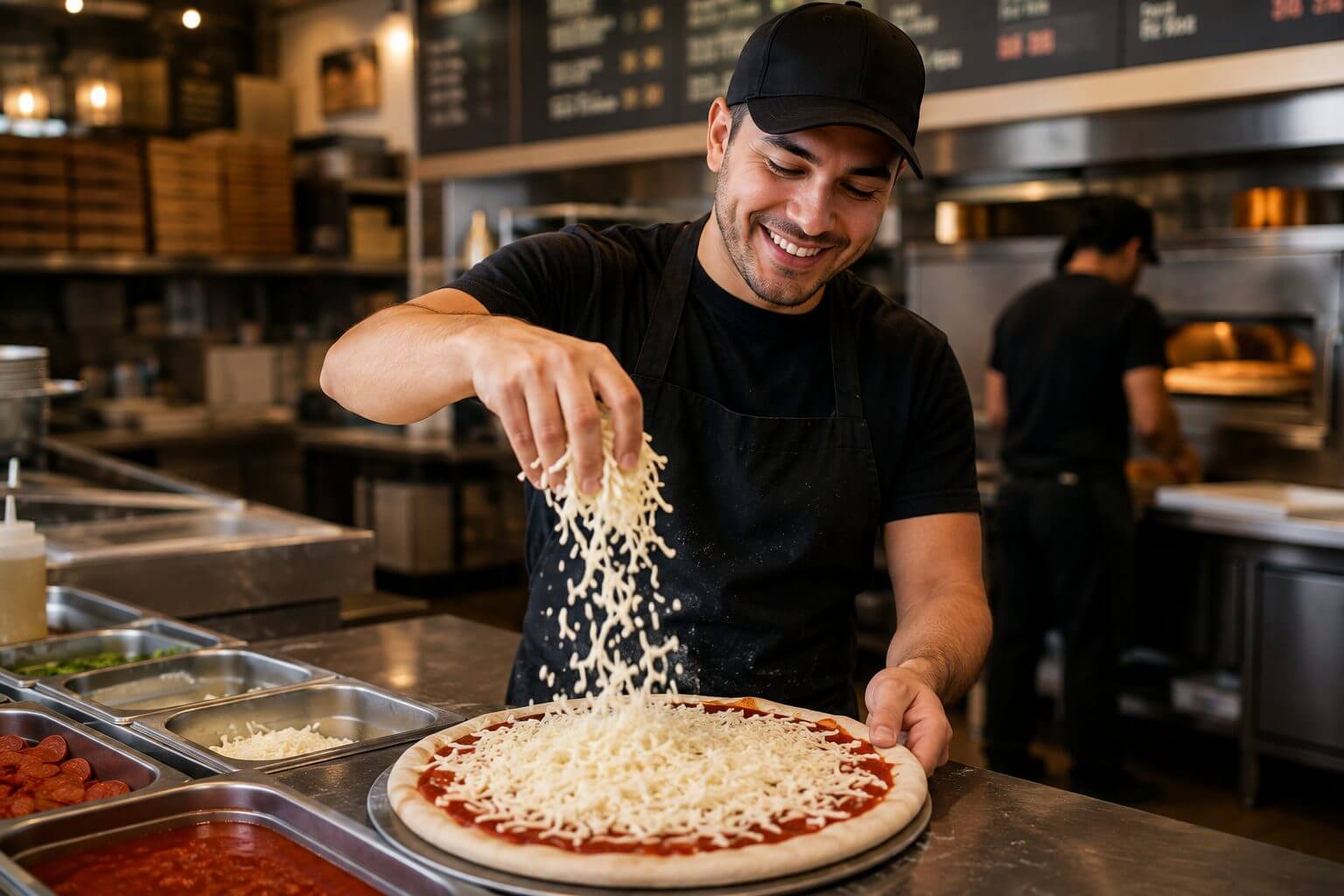
Food waste doesn’t always look like a trash can full of unused ingredients. Sometimes it’s an extra handful of cheese, too many toppings, oversized portions, or more food being prepped than the restaurant actually needs.
Those small amounts add up. If employees consistently use more of an ingredient than the recipe requires, the actual cost of producing each pizza becomes higher than expected.
Clear recipes, portioning standards, and regular inventory checks can help operators identify where waste is happening. The goal isn’t to use less than customers expect — it’s to make sure every pizza is made consistently and ingredients aren’t disappearing unnecessarily.
2. Poor Inventory Tracking
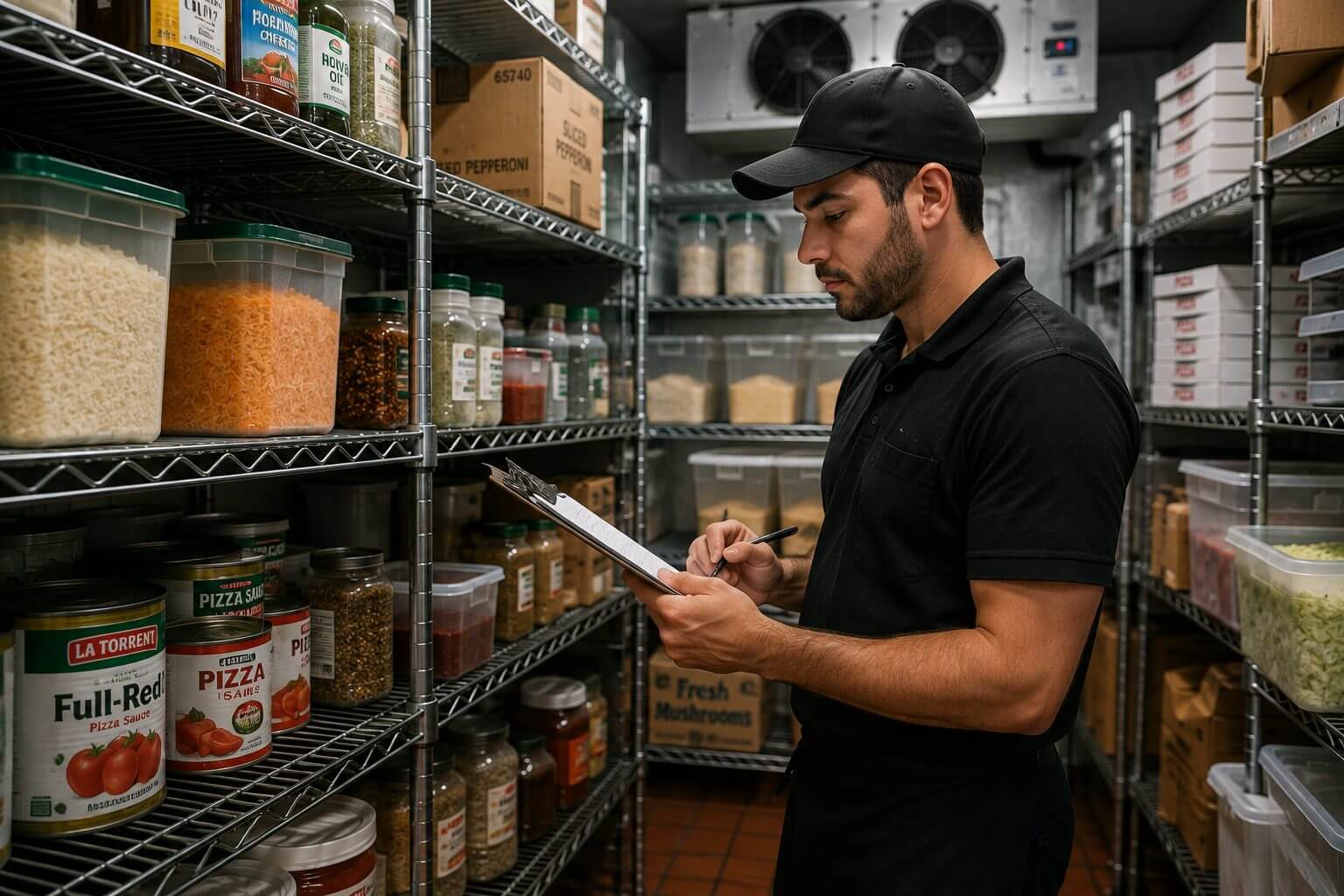
Without accurate inventory information, pizzerias can easily over-order products, run out of popular ingredients, or allow food to expire before it’s used.
Inventory data can also uncover problems that aren’t obvious during everyday operations. If cheese usage suddenly increases while pizza sales stay relatively consistent, for example, it could indicate over-portioning, waste, or inaccurate inventory counts.
Regularly comparing purchases, inventory levels, and sales can help operators catch these issues earlier and make better purchasing decisions. FoodTec Solutions’ inventory management tools can help operators track ingredient usage, monitor inventory levels, and connect inventory data with sales information, making it easier to spot inconsistencies and control food costs.
3. High Third-Party Delivery Costs
Third-party delivery platforms can help pizzerias reach more customers, but operators should understand how much they’re actually making from those orders after fees and other costs.
An increase in delivery sales doesn’t necessarily mean an equal increase in profit.
Third-party delivery can still be an important part of a restaurant’s strategy, especially for reaching new customers. However, pizzerias with their own delivery operation may also benefit from encouraging customers to order directly through their website or app.
Understanding the profitability of each ordering channel helps operators decide where their delivery business is providing the most value.
4. Inefficient Employee Scheduling
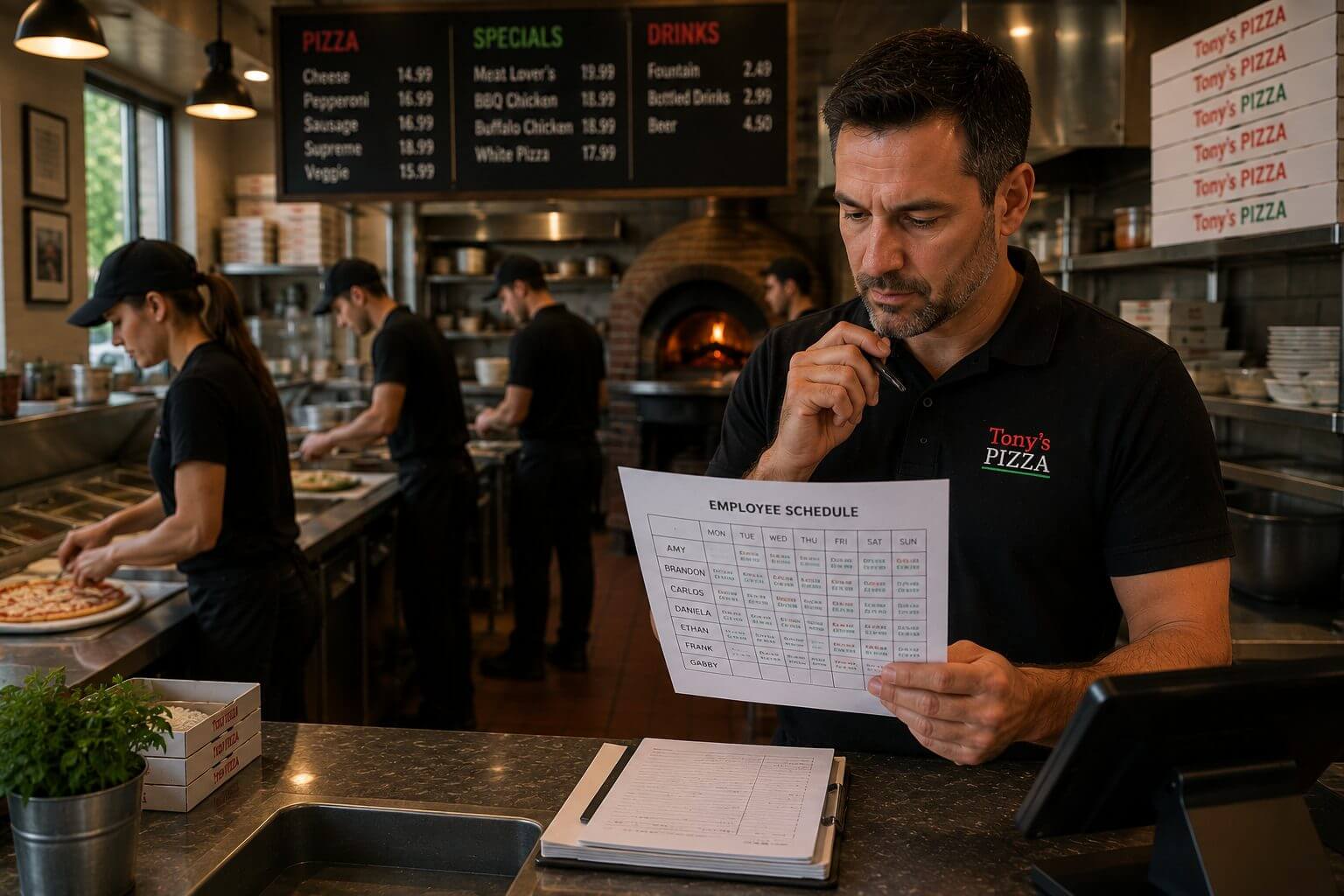
Labor is one of the largest expenses for most pizzerias, making scheduling an important part of controlling costs.
Too many employees during a slow period means unnecessary payroll expenses. Too few employees during a rush can create longer wait times, slower deliveries, overwhelmed employees, and potentially lost orders.
Historical sales data can help managers identify their busiest days and hours and schedule accordingly. The goal isn’t simply cutting labor — it’s making sure the right number of employees are working when they’re needed most.
5. Missing or Incorrect Orders
An incorrect order costs more than the ingredients required to remake it.
There is employee time spent fixing the mistake, possible refunds or credits, and potentially another delivery trip if the order has already left the restaurant. On top of that, a bad experience could cause a customer to order somewhere else next time.
Clear order information and an organized workflow from order entry to the kitchen can help prevent mistakes before they happen. Even reducing a small number of remakes each week can add up to meaningful savings over a year.
6. Not Keeping Up With Food Costs
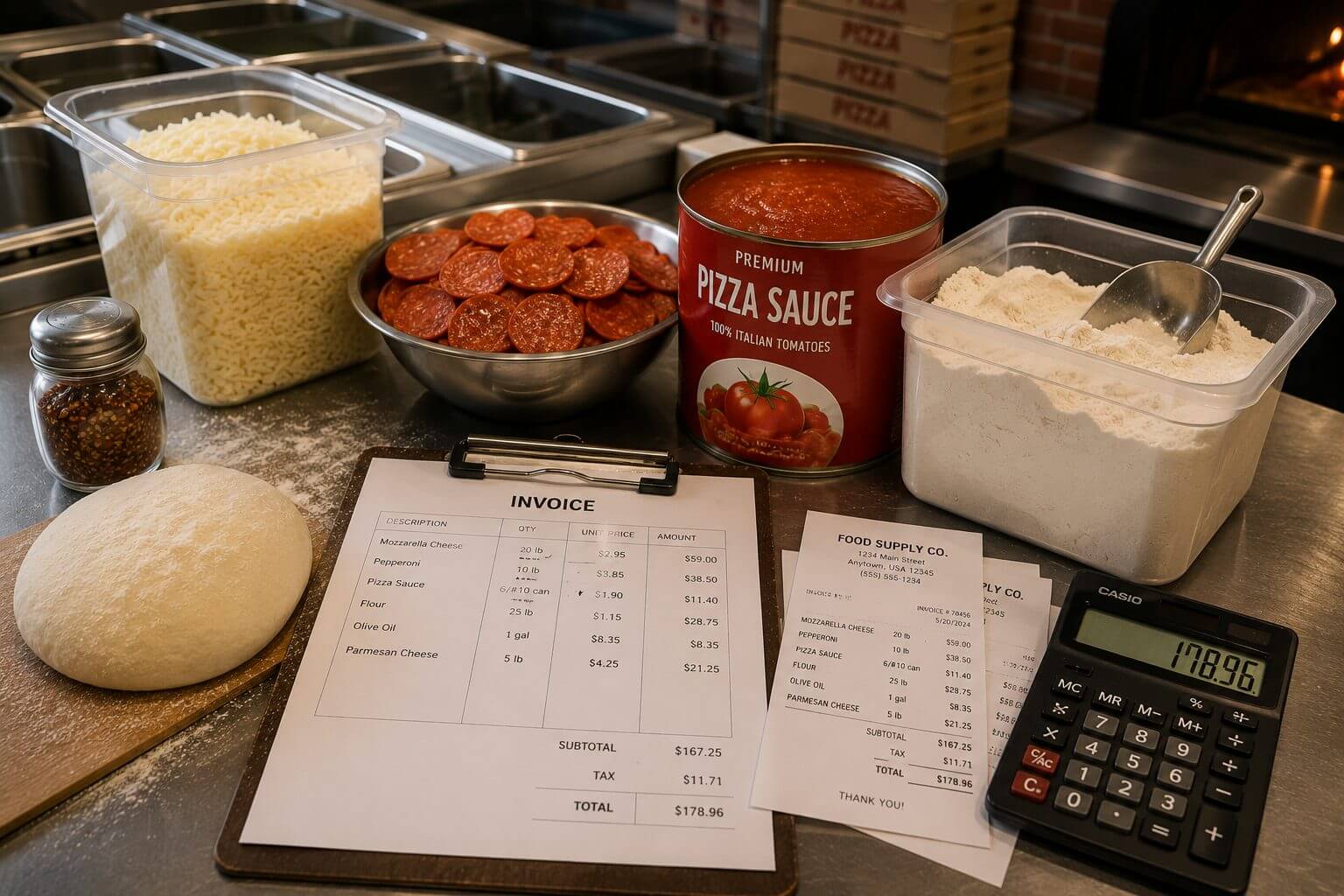
Ingredient costs change constantly. Cheese, meats, produce, cooking oil, packaging, and other supplies may cost more today than they did when a menu price was originally set.
If costs increase while menu prices stay the same, profit margins can quietly shrink even when sales remain strong.
Operators should regularly review ingredient costs, menu pricing, and sales performance together. A popular menu item isn’t necessarily a profitable one, so understanding what each item actually costs to produce can lead to smarter pricing and menu decisions.
7. Inefficient Delivery Operations
For pizzerias running their own delivery fleet, unnecessary miles and poor driver assignments can quickly increase costs.
If drivers are repeatedly sent in opposite directions or orders aren’t grouped efficiently, the restaurant may use more fuel, pay for more driver time, complete fewer deliveries per hour, and make customers wait longer.
Better visibility can help staff decide which driver should take each order and when multiple deliveries should be grouped together.
FoodTec Solutions’ DeliveryIQ provides tools including GPS driver tracking, order assignment, route suggestions, late-status warnings, driver performance information, and customer order tracking to help pizzerias better manage their delivery operations.
8. Giving Away Too Many Discounts
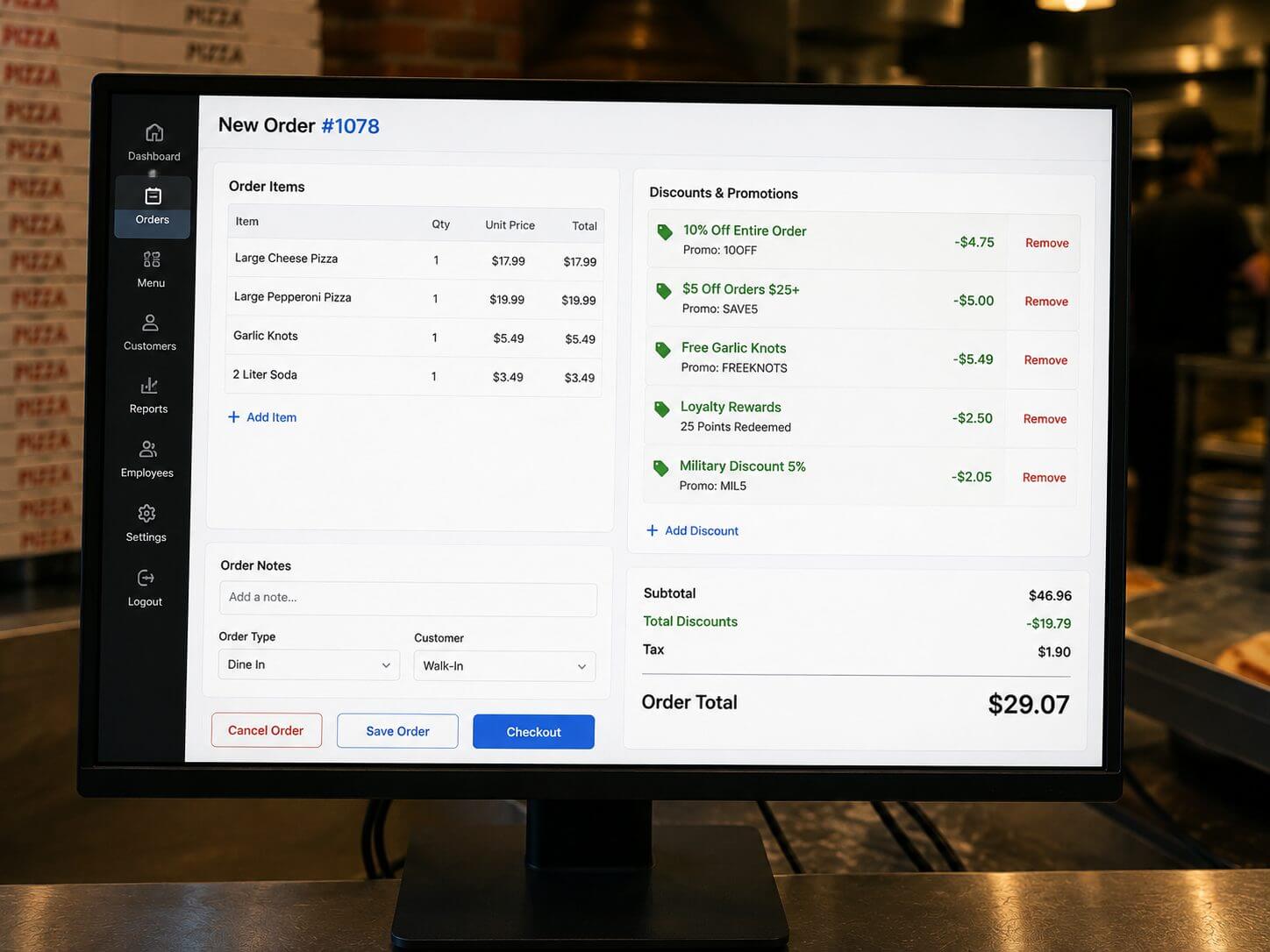
Discounts can increase order volume, but more orders don’t automatically mean more profit.
Constant promotions can reduce margins and potentially train customers to wait for a discount before ordering. Instead, every promotion should have a purpose — whether that’s attracting new customers, increasing business on a slower night, or encouraging existing customers to return.
Sales and customer data can help operators understand which promotions actually generate valuable business instead of simply making existing orders cheaper.
9. Not Building Customer Loyalty
Getting someone to order once is valuable. Getting them to order repeatedly is even better.
Restaurants often spend money on advertising, promotions, and third-party marketplaces to attract customers. If those customers never return, the restaurant has to keep spending money to replace them.
Loyalty programs and targeted marketing can give customers another reason to come back. By understanding customer ordering behavior, pizzerias can reward repeat customers, reconnect with people who haven’t ordered recently, and create more relevant offers.
The goal is to turn more first-time customers into regulars.
10. Using Disconnected Restaurant Technology
A pizzeria may use one system for POS, another for online ordering, another for delivery, and another for loyalty or reporting.
When these systems don’t communicate effectively, employees may have to enter information multiple times while managers jump between platforms to understand what’s happening across the restaurant.
Integrated technology can simplify those processes by keeping more restaurant operations connected. For a delivery order, that could mean the order moves from online ordering to the kitchen, driver assignment, customer tracking, and reporting without relying on multiple disconnected workflows.
Reducing unnecessary steps can save employee time, reduce mistakes, and give operators a clearer picture of their business.

Small Leaks Can Become Big Expenses
Pizzerias don’t always lose money because of one major problem. More often, small issues like food waste, unnecessary labor, inefficient deliveries, order mistakes, and ineffective discounts quietly add up over time.
The key is having the visibility to identify these problems before they become bigger expenses.
FoodTec Solutions helps pizzerias bring more of their operations together through integrated POS, online ordering, inventory, labor management, DeliveryIQ, loyalty, and reporting tools. With better access to restaurant data, operators can spot inefficiencies, make informed decisions, and protect their margins.
Sometimes improving profitability isn’t about selling more pizza — it’s about keeping more of the money from the pizzas you’re already selling.
Want to see how FoodTec can help your pizzeria reduce unnecessary costs and operate more efficiently? Contact the FoodTec Solutions eam to learn more or schedule a demo.